BABY REM SLEEP Strange Rapid Eye Movements While Sleeping Normal and Healthy Newborn 1 Week Old. Theyve linked these instances of baby twitching in sleep to.
 Rapid Eye Movement Rem Sleep In A Baby Youtube
A baby may twitch smile or even coo during REM sleep.
Rem sleep newborn babies. How Much REM Sleep do Babies Get. As a babys sleep schedule changes so do their sleep cycles. Second newborns in REM dont usually experience muscle atonia.
Shell then transition to quiet sleep similar to non-REM sleep in which her twitching will stop her breathing will become deeper and it might be more difficult to wake her. If playback doesnt. REM rapid eye movement sleep.
A newborn baby doesnt have much of a pattern to his sleep schedule. REM sleep is determined by your babys movements. The brain activity blood pressure and heart rate in REM sleep is similar to that in the state of wakefulness.
REM sleep also known as active sleep in babies is marked by rapid eye movement under the closed eyelids. Baby will be sleeping anywhere from 14 to 17 out of every 24 hours give or take. While your baby is in light sleep she may move around and her breathing pattern will not be as regular.
Time spent in REM declines as babies get older but the change my come slowly. Newborns get a lot of sleepand more than half of that is REM sleep. This is a light sleep when dreams occur and the eyes move rapidly back and forth.
REM rapid eye movement and non-REM are the two types of sleep. REM sleep is very light. If your baby does dream REM sleep will be when your the dreaming begins.
For some 9-month-old babies REM still makes up 50 of their total sleep hours Montemitro et al 2008. Unlike us they may thrash around stretch twitch and even vocalize. Thats called the rapid eye movement REM stage of sleep.
In REM your baby will be physically active so you will detect their eyes moving under closed lids or their eyelids fluttering. Newborn babies spend roughly 50 of their time asleep in REM. Its estimated that newborns spend about 40-70 of their sleep in REM.
This means that there may not be the desire to explore not only the space around them but not wanting to discover what fingers toes and more do either. Newborn sleep is also characterized by sleep stages and cycles but there are crucial differences. Active light sleep is where preemies and newborns spend most of their time.
Your baby may even snore during REM sleep. Since newborns sleep up to 18 hours each 24-hour period that means they experience up to nine hours of REM each day. Your little one will probably only be awake for 30 minutes to an hour at a time and will nap anywhere from 15 minutes to three hours at a stretch.
Newborns actually spend most of their time sleeping in the REM rapid eye movement stage of sleep. Another reason that a lot of sleep is essential for infants is because they are growing like weeds at this stage. As a newborn you were most likely able to rock or nurse your baby to sleep and then put her down without her waking.
REM sleep also referred to as active sleep in which the baby may twitch or jerk her arms or legs and her eyes move under her closed eyelids. Their arms and legs may twitch and their mouths may move sometimes you will see a sucking motion. The newborn equivalent of REM sleep is called active sleep because your babys eyes will usually move beneath her eyelids and her arms and legs may twitch or jerk.
That translates to on average 8-11 hours per day in REM. Baby REM sleep is one part of the sleep cycle that changes over time. Newborns sleep for most of the day.
Our newborn sleep cycle chart shows that newborns babies 0-3 months old only experience two of the four stages of sleep. According to a 2008 study published in the Newborn and Infant Nursing Reviews when a baby does not receive enough sleep specifically REM sleep their sensory development is stunted. Dreams can occur at any stage of sleep but mostly during REM sleep 2.
If your baby does dream REM sleep will be when your the dreaming begins. Although babies spend about 16 hours each day sleeping about half of this is in REM sleep. Whereas average adult spends only 20 of total sleep time in REM for newborns the percentage is higher than 50 Grigg-Damberger 2017.
Stage 3 and stage 4 or REM and spend about half of their time asleep in each stage. Drowsiness in which the baby starts to fall asleep. Babies spend equal time in REM and NREM sleep 3.
First babies typically begin their sleep bouts in the newborn equivalent of REM sometimes called active sleep. Sudden jerks of the arms and legs only occur during sleep. And the common traits of REM sleep may cause your babys legs and arms to jerk or twitch.
Think of REM sleep as an active stage of sleep. For newborns sleep is about equally divided between rapid eye movement REM and non-REM sleep and follows these stages. Some researchers believe that the twitches during REM sleep are more than just a meaningless spasm or movement related to dreams.
2 You may notice your childs eyes moving under her eyelids.
 Baby Rem Sleep 2 Months Youtube
 Pin On Nested Bean
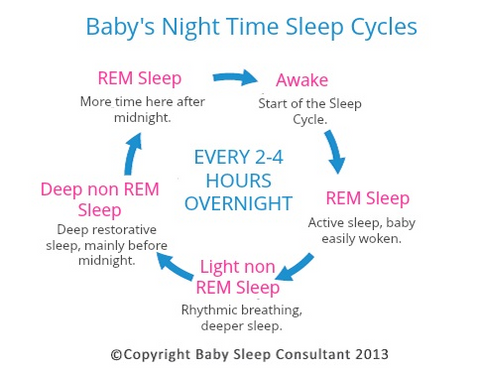 Rem Sleep In Newborn Babies Newborn Baby

 Rem Sleep In Newborn Babies Newborn Baby

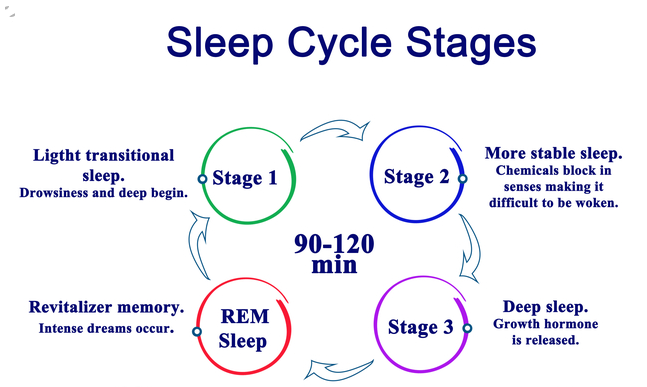 Newborn Sleep Basics By Laurie Hearley Eve Health
 Pin On Baby Sleep Q As
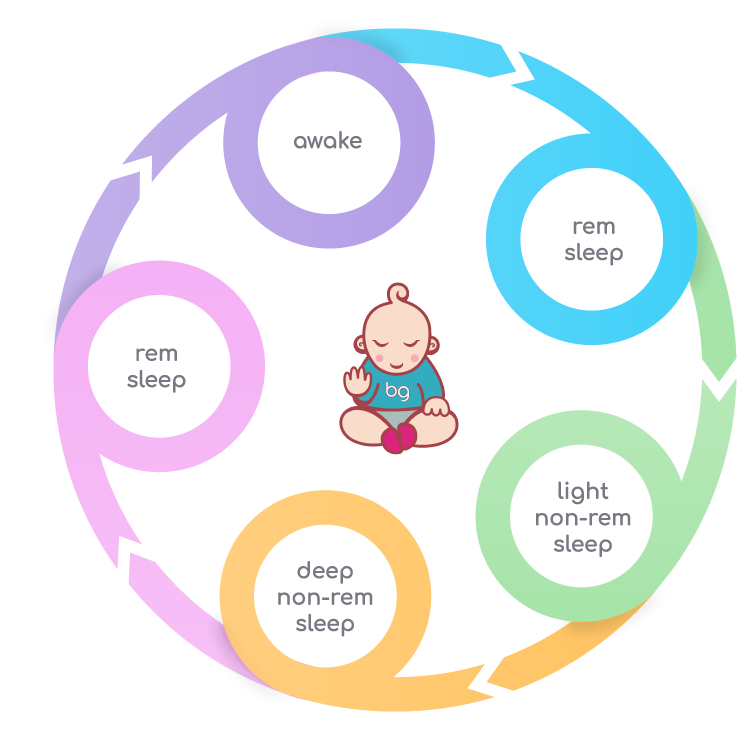 The Baby Guru S Top Tips And Advice On Sleep And Feeding
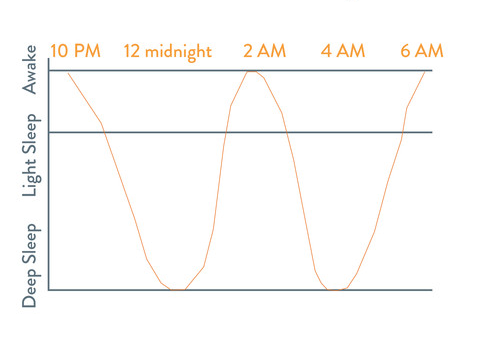 Rem Sleep Cycle Of Your Baby Sleep Chart That Helped Over 5000 Moms Nested Bean
 Newborn Sleep Patterns A Survival Guide
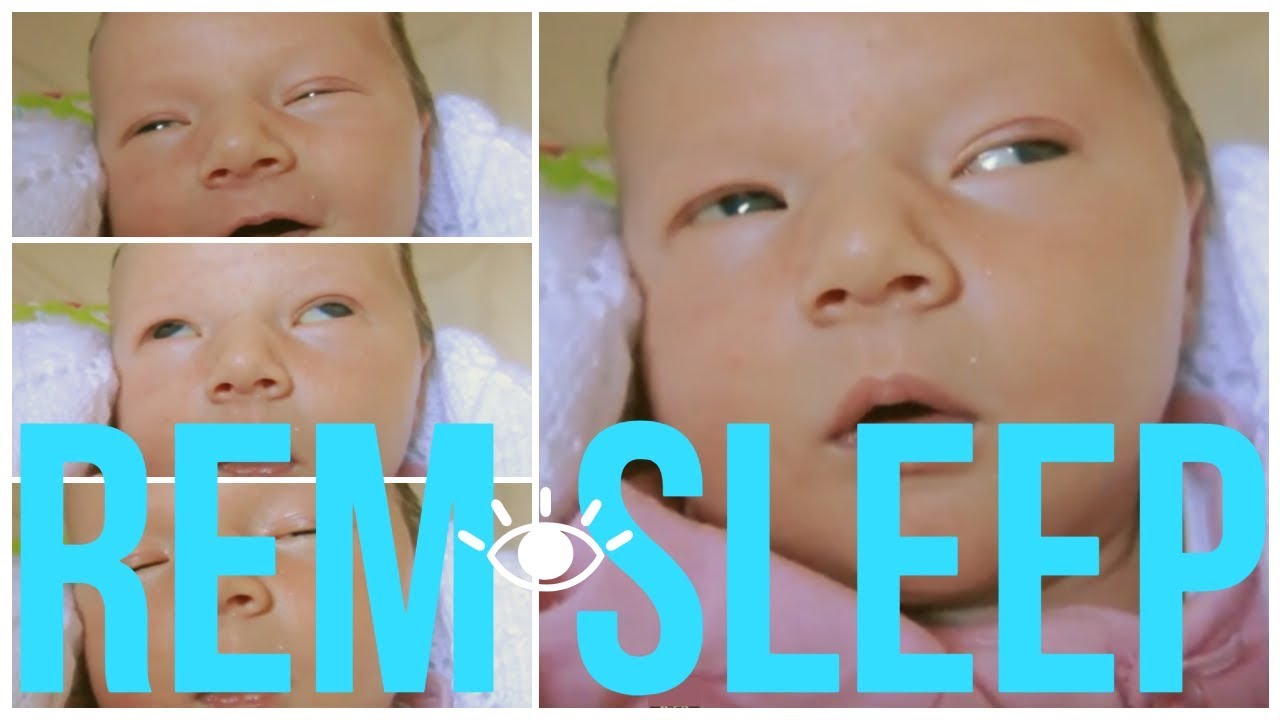 Baby Rem Sleep Strange Rapid Eye Movements While Sleeping Normal And Healthy Newborn 1 Week Old Youtube
 Emotional Development Soothing And Infant Sleep Infant Emotions Infants Show Anger Pain And Hunger By Crying Infants Show Anger Pain And Hunger By Ppt Download
 8 Infant Sleep Facts Every Parent Should Know