When should I start nap training. This doesnt have to be a complicated or long drawn out process.
 Cry It Out Sleep Training For Naps Here S What You Need To Know
Respectful Sleep traininglearning and Independent Sleep for Newborns birthdate range spinoff groups - must join Respectful group first.
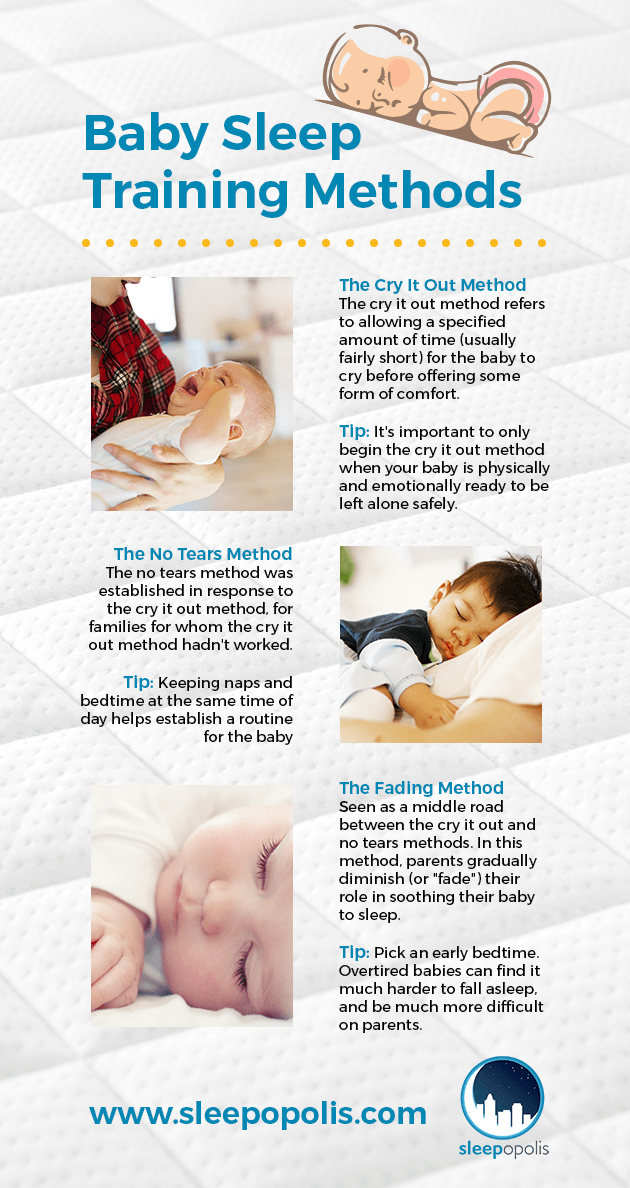
Sleep training start with naps or bedtime. When is the Ideal Age to Start Nap Training and Why. Monitor your progress in four day windows of time. Bedtime fading can also describe a sleep training method that gradually reduces the amount of time youre in your babys room when shes heading to bed.
Nap sleep training is much more nuanced and often more difficult than night sleep training. This is why I tell my clients to expect nighttime sleep to improve in 3-4 nights while naps can take up to 2 weeks. If your toddler naps late in the afternoon they might not be sleepy at bedtime.
Babies cant get all the sleep they need at night. Be consistent day and night and your little dreamer will sleep better faster. This should be a series of soothing activities that help to calm your baby and prepare them for sleep - things like swaddling bathing and rocking usually work well but every familys routine will look different.
I recommend having 4 parts to your routine every night. If you havent already try to establish a bedtime routine before you start sleep training baby this will encourage healthy baby sleep patterns. When you are sleep training naps are a whole different ball game than nighttime sleep training.
This should settle out within a few days. In general cry it out sleep training will work largely the same way for nights and for naps. Support groups on Facebook.
Sleep training for naps makes over tiredness and often short naps worse so you can use all the great night sleep you can get and early bedtimes too. Sleep training helps babies nap which is crucial to their health and well-being. So I give you my blessing to just let him nap in the rocking chair during your long weekend and dont bother trying to transition him.
Benefits of sleep training for naps. However there are 5 pointers you should remember when youre working on cry it out for naps. Most families will see better faster and more lasting success by focusing on bedtimes first.
If you are doing sleep training then things should be much better after four nights. I always recommend training for naps and bedtime at the same time. Bed time Choose a bedtime that makes sense for your family and doesnt leave baby overtired.
Much like sleep training its best to wait until your baby is around 3 to 4 months of age before you begin nap training. If you feel confident in the intervention technique that you have chosen then you can begin at bedtime and work right through the whole night at wakings that arent associated with hunger. As with other sleep training techniques the fading approach can begin when most babies are between 4 and 6 months as this is when infants are usually capable of learning to self-soothe.
Heres a snapshot of the benefits of sleep training for naps. As an Amazon Associate I earn from qualifying purchases. When first training baby may take extremely short naps 5-20 min.
Schedule naps earlier in the afternoon. Dont let your baby or toddler cry indefinitely until he falls asleep. Can I start sleep training with naps instead of at bedtime.
To do this youll want to follow a nap schedule and making sure baby isnt up too long in between naps. However if naps are the bigger issue then its totally fine to start sleep training with naps first. Nighttime training can reduce the number of hours of sleep your baby gets those first couple nights so to ensure better success you want your baby to make up for that sleep through naps.
Youll need to establish a timeframe for naps and for bedtime and youll need to build some routines that will help ease your baby or toddler into both nap time and bedtime. Around the onset of social smiling and reduction in nighttime BMs comes an earlier drift in bedtime and a more predictable long stretch of sleep in the beginning of the night. Nap training is typically harder and takes more time to work itself out than night training because at night your child has the added help of an upped dose of melatonin the sleep inducing hormone to aid them in falling asleep.
Once your child starts sleeping 11 to 12 hours at night yes that is. Nap times Within reason put your baby down for naps at regular times. Before 3 or 4 months of age you can help your baby nap better by making sure that they never get overtired.
Prior to 7 months naps should last at least 1 sleep cycle 30-45 min. If you are interested in getting your baby to sleep it is important to start with a sleep training bedtime routine and a loose schedule you follow every night. Additionally make sure to start with bedtime if you are working with night wakings.
Nighttime sleep can start developing into longer stretches as early as 6 weeks of age if certain things are done to encourage those longer stretches. Then keep it consistent. Generally speaking its better to start sleep training with bedtimes than naps.
Regardless of the type of schedule desired however the predictability and routine aspect of sleep training affects both naps and nights. This change often begins between the 7th and 9th week from due date and is the time to start your babys bedtime routine. Theyll get tired at these times and then sleep longer because of it.
Daytime naps help make up for nighttime sleep deficits allow baby to get the amount of sleep she needs in a 24-hour period help her sleep longer and more soundly at night and promote emotional and mental functioning. This can make cry it out unmanageable for both you and your baby.