A crying baby is trying to tell you something. Peak of CryingBaby may cry more each week.
 6 Different Baby Cries And What They Mean Youtube
Most newborns reach a crying peak at about 6 weeks.
Baby crying patterns. Identifying the babys typical sleep pattern can help caregivers assess the cause of crying. For example a hungry cry might be short and low-pitched while a cry of pain might be a sudden long high-pitched shriek. The point here is if your baby starts to have more and more crying after 4 months of age it is worth talking with your pediatrician.
While crying the baby may suddenly hold the breath for a few seconds. Your job is to figure out why and what if anything you can do about it. Feeling too hot or too cold.
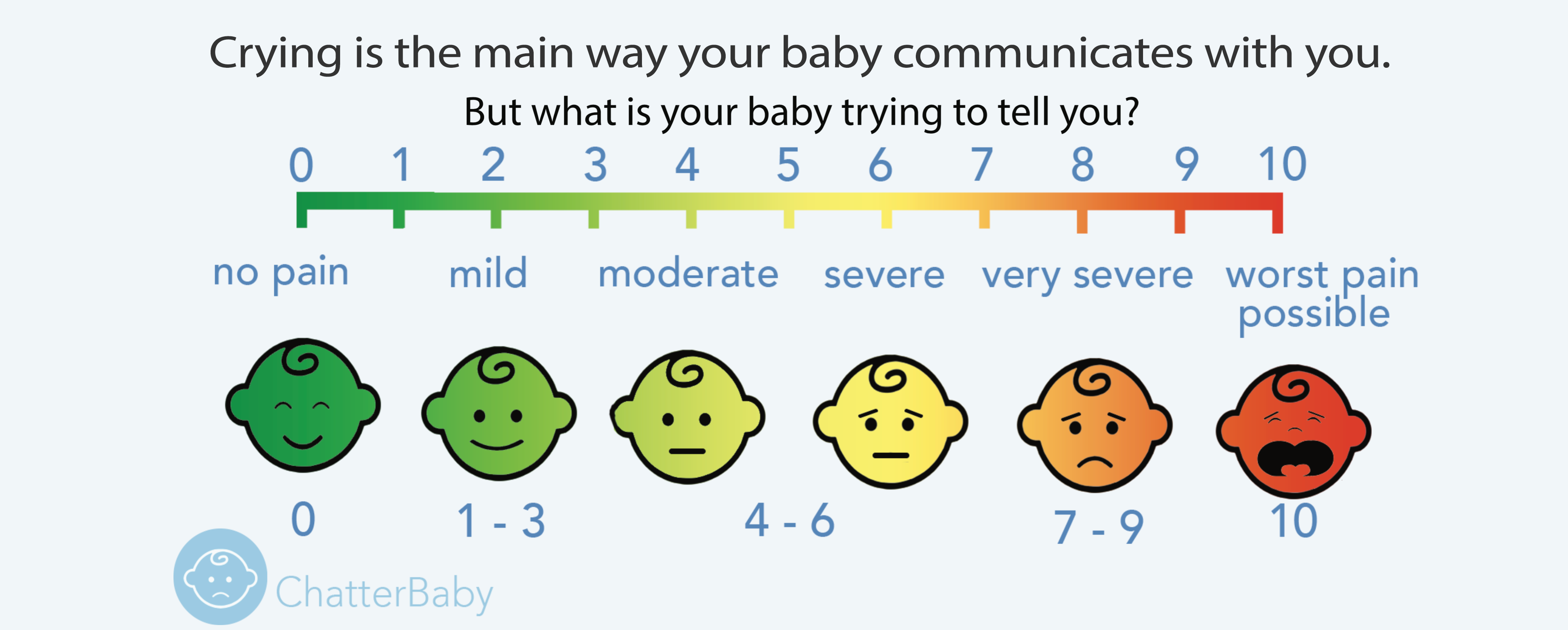
In regard to the pattern of weeping the crying gradually increase. Crying is one of the few ways your baby can communicate with you. Pain-like FaceA crying baby may look like they are in pain even when they are not.
At 68 weeks age a baby cries on average 2-3 hours per 24 hours. Colic is an out-dated term used to describe excessive crying. Some babies let out a soft cry as they fall deeply into sleep or immediately before waking.
And sometimes your baby will cry for no obvious reason. Some babies cry a lot for one or two days and then not so much for the next three. This recovers the breath even if the crying continues.
For example your baby will cry because they feel hungry unsettled wet or uncomfortable or just because they need a cuddle. Crying difficult as it is to hear is a normal way babies communicate hunger discomfort distress or a need for your attention. Over time you might be able to identify your babys needs by the way he or she is crying.
Some who dont start crying excessively later in their infancy. This cry tends to have a screechy sound and your babys face looks startled. That means they can hold their head a little steadier while lying on their tummies or.
Try rocking holding and soothing your baby to calm him or her down. Then their crying starts to decrease. That crying is not colic by definition or pattern.
So these are two distinct groups of babies with very different patterns. Surprisingly crying may not produce tears until after the first month or two. Sometimes babies cry for no apparent reason.
Although your baby might give you some eye contact crying is probably the main thing youll notice about your babys behaviour. Sometimes cries can easily be answered with cuddling food or a diaper change. This is what is considered a normal crying pattern.
When the baby does this the mother may give a few light thumbs at the back. Babies cry because of hunger discomfort frustration tiredness and even loneliness. MAKE BABY STOP CRYING VIDEO Visual stimulation to stop baby crying.
The parents are often distressed exhausted and confused and often have received conflicting advice. A number of previously published studies have shown a crying peak at 6 weeks of infant age2 7 8 12 Others have found a progressive decline in overall crying from birth4 6 7 30 31 Our sample tended to follow the progressive decline pattern in crying with age consistent with the commonly observed clustering of crying behavior within the first 3 months of life 31 and the evening clustering of crying4 6 7 8 underscoring similarities in reported crying patterns across different. Colic is a normal part of development that may be triggered by many factors.
It usually occurs in the late afternoon or evening hours. Crying is the way babies communicate. All babies cry but some cry more than others.
Motor Skills Two-month-old babies are gaining more control over their bodies. They cry when theyre hungry bored uncomfortable or frightened. Results reveal that the main differences appear in the ocular activity and in the pattern of weeping.
Discomfort such as from a wet diaper. IF they have a relatively quiet baby then they might not notice that the overall amount of crying follows a peak pattern. High contrast shapes and patterns provide infants with something simple and engaging to f.
Resists SoothingBaby may not stop crying no matter what you try. Second Month Baby Milestones. By 3 months they usually only cry for about an hour a day.
UnexpectedCrying can come and go and you do not know why. These are common and can occur when the baby is crying. Over weeks it gradually increases but it does not increase in a straight line.
They tend to cry more at two months and then less at three to five months. Many infants ages 3 weeks to 3 months develop a crying pattern associated with colic. To provide information about persistent infant crying crying durations and patterns were measured at four age points 1-3 4-6 7-9 and 10-12 months in normal community N 400 and clinical N 68 samples.
The infants maintain their eyes open during the crying produced by fear and anger but in the case of crying provoked by painful stimuli the eyes remain closed almost all the time. They also cry when they need a diaper changed hear a loud noise or meet a new person.