In fact though it is often reported that sleep patterns consolidate in the second year the pattern differs in breastfed children. And because its behaviourally biologically normal it is suitable to use behavioural techniques.
 Biologically Normal Infant Sleep Grubby Mummy And The Grubby Bubbies
McKenna J Ball H Gettler L Mother-infant Cosleeping Breastfeeding and SIDS.
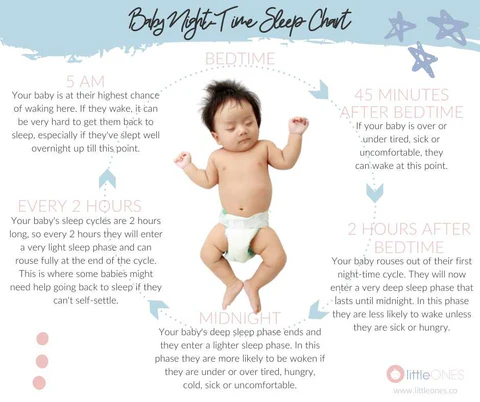
Biologically normal infant sleep. Separating Myths from Facts A guide for the thinking parent of today Are you confused and frustrated with all the conflicting information out there about infant sleep. I was instantly intrigued and I knew it was the perfect decision in my career to allow me to more holistically support new parents who do not want to sleep train. When making decisions about infant feeding it can help to know that it is normal for a baby to wake at night and how lots of arousals can in fact protect the baby.
Sleep is important for a healthy brain body and for immune development. Even here in whatever-city-USA nothing a baby can or cannot do makes sense except in light of the mothers body a biological reality apparently dismissed by those that argue against any and all bedsharing and what they call cosleeping but which likely explains why most crib-using parents at some point feel the need to bring their babies to bed with them - findings that our mother-baby sleep laboratory here at Notre Dame has helped document scientifically. Sleep helps to maintain normal bodily functions healing of tissues learning processing of memory and central nervous system repair.
Most babies do not begin sleeping through the night 6 to 8 hours without waking until at least 3 months of age or until they weigh 12 to 13 pounds. However this varies considerably and some babies do not sleep through the night until closer to 1 year. Waking through the night is normal and biologically adaptive.
We support parents in understanding biologically normal infant and toddler sleep and navigating the early years of parenting without sleep training. I became really passionate about promoting and educating parents on what normal infant sleep looks like and I soon found the Baby-Led Sleep Well-being Specialist program. Generally newborns sleep about 8 to 9 hours in the daytime and about 8 hours at night.
Popular myths suggest good babies sleep through the night sleep alone. Parents in Kenya and other parts of Africa believe that its dangerous for babies to sleep alone in a separate room. It is biologically normal for babies to wake until 6-7 months but after that they dont need to feed at night so any waking after is behaviourally biologically normal but in the same way as other biologically normal bad behaviours like picking your nose and eating it or having anger management problems.
However it is normal for babies -- especially breastfed babies - - to wake and feed at night throughout at least the first year. Expect that your baby will wake ALOT and want to nurse back to sleep most times throughout the first year and beyond. Even if your baby starts sleeping longer Expect it not to last.
Biologically Normal Infant Toddler Sleep has 107710 members. Our aim is to support and empower parents to move beyond sleep training culture. What Biological Anthropologists Have Learned About Normal Infant Sleep and Pediatric Sleep Medicine.
Are you sleep deprived and wondering what you can do to get mo. However regardless of feeding status many infants wake regularly during the night Weinraub Bender Friedman Susman Knoke Bradley et al 2012. Yearbook of Physical Anthropology 50133-161 2007.
James McKennas concept of Breastsleeping. Infants and young children generally fall asleep in someones arms and are carried to bed when the rest of the family is ready for sleep. Understanding that sleeping through the night is something which will happen when the baby is developmentally ready allows women to make an informed decision without feeling.
Answer ALL joining questions COMPLETELY or you will NOT be accepted. Published norms for infant sleepwake patterns during the first 2 years of life include an increase in length of maximum sleep bout from four to five to eight to ten hours by 4 months but little decrease in total sleep in 24 hours from 13 to 15 hours. We discuss how infant sleep may vary due to cultural behaviours and expectations such as what babies are fed where they sleep and how we interpret their needs.
Do you want up to date scientific information that is factual. But sleeping through the night is not biologically normal especially for a breastfeeding baby. This website presents research evidence about biologically normal sleep for human babies.
We believe that babies have been programmed by thousands of years of evolution to expect to sleep next to their mothers and that this can and should be done safely. Biologically Normal Infant Sleep is a place for parents and interested professionals to discuss Dr. A world without sleep training.
Research has shown that sleep is necessary for our babys development. My top tips for getting your head around and accepting normal infant sleep for new and expecting mamas. In the 1950s-60s on formula-fed babies.
Parents can feel under pressure to help their babies become independent from an early age.