Chat about what youre doing as you feed change and bathe them. Ask your guests to talk as well so that the baby can hear them and be acquainted with their voice.
 5 Ways You Can Help Your Baby Start Talking Early Baby Learning Step Kids Disciplining Teenagers
We will go more into talking to your baby later but its never too early to expose your baby to as many different words as possible.

How to get your baby talking early. Use lots of melody and facial expression when you talk with the baby. Typically babies ages 7 to 12 months may understand simple words like no They might use gestures to communicate and may have a vocabulary of about one to three words though they may not speak. Long before your babys first words shes communicating with you.
Infant-directed speech also called Motherese or baby talk encourages your baby to practice vocalizations. And this can be done by prepping your baby early on for their goal to walk. Sing to your baby this helps them tune in to the rhythm of language.
Your baby will love it if you speak in a high pitch open your mouth wide and pause for her to take her turn. Dance a jig the first time your baby strings together two or three words. Soon your baby will move her lips as if speaking squirm and gurgle a conversation with you.
Hell begin by using his tongue lips palate and any emerging teeth to make sounds cries at first then oohs and ahhs in the first month or two and babbling shortly thereafter. Pay attention to your babys cooing and babbling and coo and babble those same sounds right. Most will also bend their knees and bounce up and down a bit.
Your baby will play with sounds. When your due date is close by assemble all your closest friends and relatives and invite them over for a baby shower. Babies love faces and will watch you and respond as you talk.
Hold your baby close so he will look in your eyes. Long before he utters his first word hes learning the rules of language and how adults use it to communicate. Talk to your Baby.
Celebrate smile and act excited when they make. Seuss favorite reading to your baby can inspire a richer use of vocabulary and provide fun themes you might not have thought of on your own. Look at your baby and imitate or build on the sounds they make.
Talk with your baby sing and encourage imitation of sounds and gestures. The main thing is. Hold your baby close and look at them as you talk to them.
Babies listen from day one. Give them a chance to reply when those nascent skills start to manifest as rudimentary sounds parents should converse with their baby pausing three seconds to allow them a chance to form a reply. All of this helps her early understanding of talking.
Use changes in volume. Perhaps most importantly engage your child and look him in the eye when speaking to him. If he tries to make the same sound you do say the word again.
Read to your child. Read to your baby and talk about the pictures you see. Lots of parents feel a bit silly talking to a little baby who doesnt talk back.
The way you respond however silly will help your baby learn to communicate. Bellamys Organic explains When held upright most babies will start to support themselves on their legs from around four to five months Starting early is an excellent way for muscle memory too. Smile make eye contact and respond to encourage these early nonverbal attempts at baby talk.
How Babies Start Talking by the First Year. Let your babys interest and responses guide you. The more you talk with your baby the easier it becomes and youll be rewarded with your babys responses.
Youve been teaching your baby to talk ever since the first time you said hello to her. Speak to babies from day one long before they have any ability to answer with words babies are learning by observing. Whether you choose a board book or a Dr.
Your baby is learning how people talk to each other. When your baby babbles imitate the sounds. They learn to associate sounds with their sources like barking with the family dog.
Your baby learns to talk during his first two years of life. It doesnt even matter what you say you can talk about work sports or anything else thats on your mind. Her first communication will be crying but shell soon start using her tongue.
You help him become a talker when you. To do it hold your baby or lay them on the floor. During this time you could introduce your baby to those who make it.
Look for age-appropriate soft or board books or picture books that encourage kids to look while you name the pictures. To help your baby talk you should. Pause to allow your baby to respond This is the beginning of back-and-forth conversation between you and your child.
0 to 6 months. Ask open-ended questions such as What do you see in this picture Be sure to allow time for your baby to respond in her own way. Start reading when your child is a baby.
During baths meals or play tell them what youre doing and what they are looking at. From 6 to 9 Months. Talk to him and smile.
In fact research shows language acquisition and a babys understanding of language begins in the womb.
Try not to stimulate or wake her too much. Join thousands of parents whove signed up for my tips.
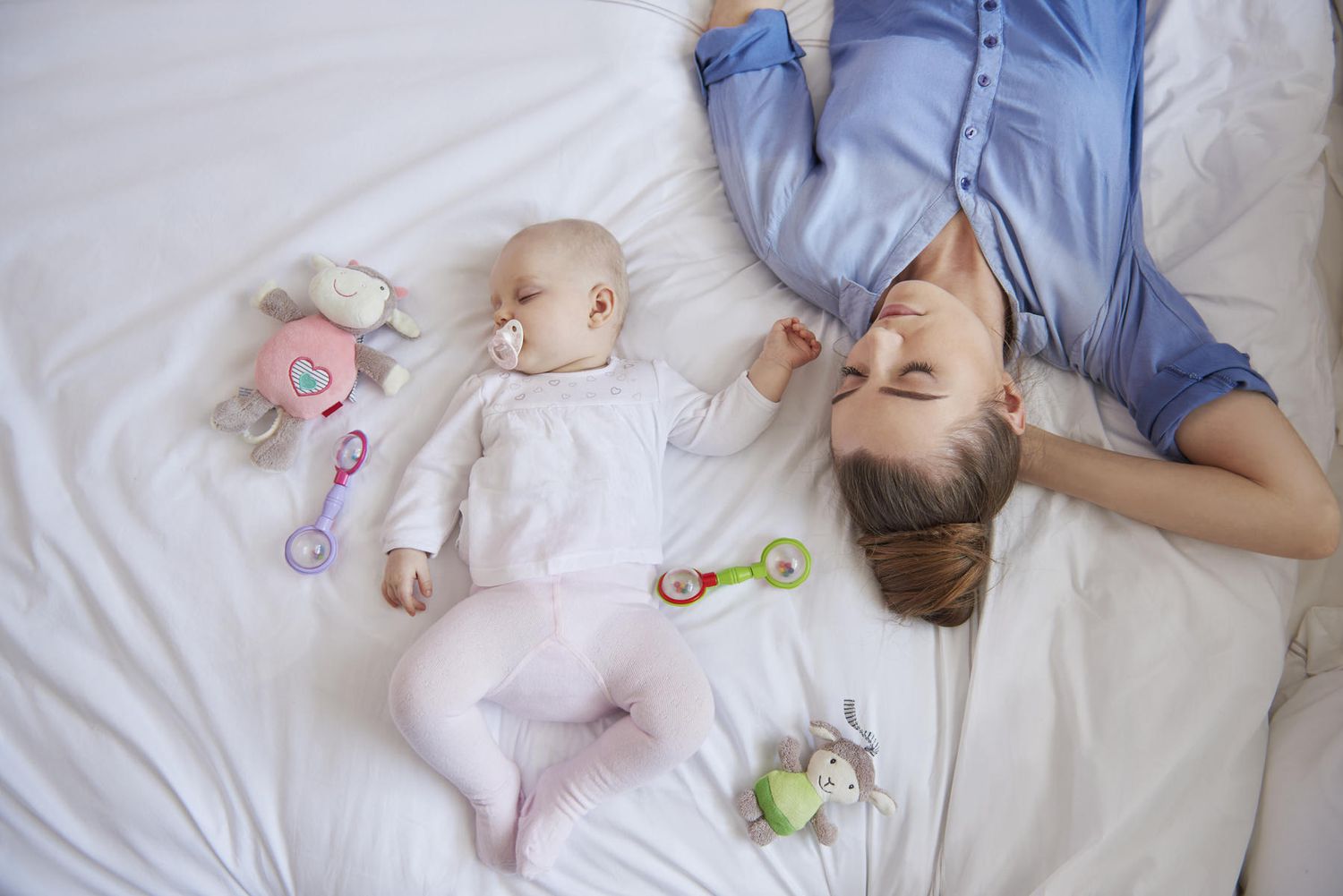 Sleep Deprivation After Baby Parents
Hold your breath for a count of seven.
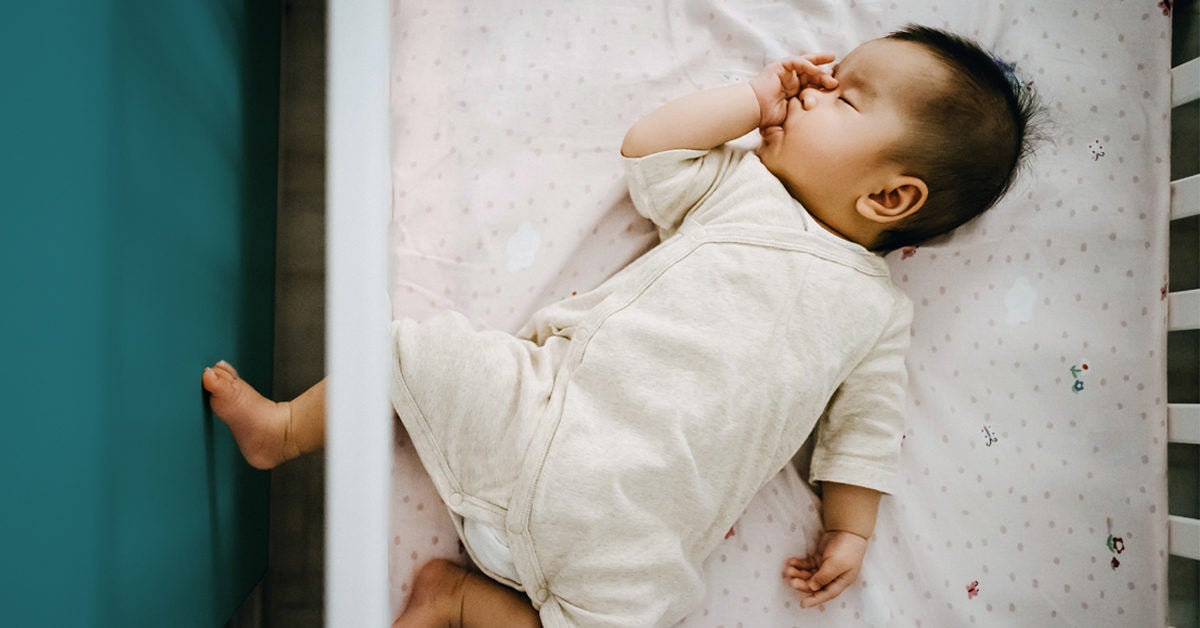
50 easy ways to get your child to sleep. Get my FREE PDF download and youll learn an amazing insight to get kids to listen with just one word. Keep regular sleep and wake times. A melatonin supplement is an easy way to improve sleep quality and fall asleep faster.
You CAN get your kids to listen and follow directions even the first time. 50 Easy Ways To Get Your Child To Sleep 50 Easy Ways To Get Your Child To Sleep. DIY Weighted Blanket While they do require some time they arent overly complicated and Ive known a lot of people to make them.
The healthiest way to sleep is in complete darkness. Make sure your bed is ready for sleep and relaxing not so jammed with toys and stuffed animals that theres no room for you. You can also try doing progressive muscle relaxation to quickly fall asleep.
Wheelbarrow around hold your childs ankles and have them walk through their routine on their hands. CO can be found in the fumes that come from running cars stoves grills fireplaces gas ranges furnaces and so on and it can be almost impossible to detect unless a carbon monoxide detector is in use. If your child comes to your room in the night take him back to his bed and again reassure him.
Before we go to sleep we are typically alone with our thoughts. To get to sleep faster try a deep breathing exercise to relax your mind and body. Older children might like to wind down by reading a book listening to gentle music or practising breathing for relaxation.
This will help her sleep for longer periods during the night. With the added stress of being overtired it is easy for our mind to cascade into spirals of worry that keep us awake. Tips on How to Make Sure Your Child Gets a Full Nights Sleep.
Its important to not let him get into your bed. Make daytime playtime. Keep your baby calm and quiet when you feed or change her during the night.
Carbon monoxide or CO is a colorless odorless gas that can be lethal if too much of it enters the lungs. Repeat this 3 times or until you fall asleep. Dont spend another day struggling with getting your kids to listen.
FREE shipping on qualifying offers. If your child wakes up in the middle of the night and is afraid to go back to sleep because he is scared reassure him and tell him that he is safe and okay. Share 5 favorite things about your child with them.
Are your kids afraid of the dark. Close your mouth and inhale quietly through your nose to a mental count of four. Work as a team.
Keep your child in his own bed. Firstly find the small indent at the top of your nose and between your eyebrows. Take 15 mg around 3060 minutes before heading to bed.
You can also press the sole of your foot approximately one third from the tips of your toes for a similar effect. But let your child snuggle with any favorite soft toy or security blanket through the rest of the night. To get enough of that rest the American Academy of Sleep Medicine recommends 10 to 13 hours of nightly sleep for kids ages 3 to 5 years old.
Play Simon Says throughout bedtime routine. Have a regular calming routine before bedtime like taking a warm bath or reading. Avoid excessive attention or pampering.
Sleep needs change as your child grows older but whether youre dealing with a 2-year-old toddler or a stubborn teenager research shows that a consistent bedtime routine is helpful for making sure your child gets enough sleep. And 8 to 10 hours. Then hold your breath for 7 seconds.
9 to 12 hours for kids ages 6 to 12. Most will still be tired and able to return to sleep soon. If your child takes longer than 30 minutes to fall asleep your child might need a longer wind-down time before turning the lights out to go to sleep.
Whatever activities you choose try to do the same ones every day in the same order so your child knows what to expect. Wearable Weighted Blanket Your child can slip inside of this wearable penguin blanket and literally walk around or sleep in like a sleeping bag. Put the night light in the hallway and turn it off once theyre asleep or use one that eventually shuts itself off.
Make up a bedtime story where someone in the family is the main character and kid has to guess which family member it is. Its important to discuss and agree on a sleep strategy for your child with your spouse or. It does need to be tart cherry juice though as sweet cherries have 50 times less melatonin than their tart counterparts.
Turn on a fan if youre warm or pull on some socks if youre cold. New research indicates that light pollution any light especially too-bright clocks or night lights can disrupt hormone regulation which affects sleep and also immune system function says Joyce Johnson a naturopath in Belle River Ont. Finally exhale for 8 seconds.
Stay with your child for a short period of time following the nightmare. Apply light pressure with your fingers for a minute before sleep. Place the tip of your tongue against the ridge of tissue just behind your upper front teeth and keep it there through the entire exercise.
Enjoy a glass of tart cherry juice. First inhale for 4 seconds. Encourage your child to go back to sleep in their own bed.
Tart cherries are a natural source of melatonin so enjoying a glass of tart cherry juice in the morning and evening may help you sleep better at night. Exhale completely through your mouth making a whoosh sound. Catch Yourself Catastrophizing.
Talking and playing with your baby during the day will help lengthen her awake times. If your child seems overtired sleepy or cranky during the day tell their doctor. Download your free copy today.
Mark it on the calendar. When should we start to potty train baby.
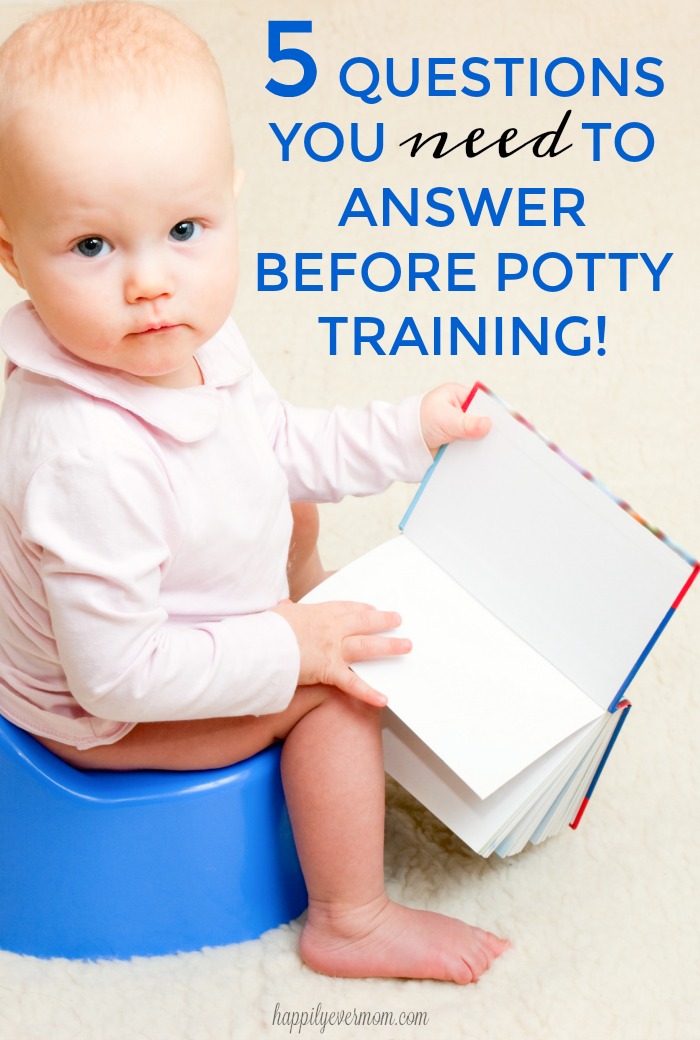 5 Questions To Know If Your Child Is Ready To Potty Train Happily Ever Mom
Potty training is usually quicker if your child is already at the last stage knowing when they need a wee when they start potty training.

When to start potty training your baby. For example if your baby usually pees first thing in the morning or after a feeding thats the beginning of pattern you can use to try elimination communication rather than diaper. Potty Training at Age 4. Most children are ready to make the leap in potty training by 3 years of age and can be fully trained by the time they are 36 months old.
This means that there are a number of signs to look out for. When to start potty training Its best to start potty training your child when they show signs they are ready. Then whenever you notice your baby behaving that way take them to the toilet immediately.
They know when they need to wee and may say so in advance. They may still have moments of lapse in control especially when they are sick or nervous and thats normal. Kids are generally not ready to potty train before the age of 2 and some children may wait until 3 12.
But once you decide on the timing your remaining choices arent entirely free. The appropriate time to start potty training is when you feel or notice your child is ready. How young you can start potty training depends a lot on how well you read your babys non-verbal communication signals and your commitment to following his natural schedule.
Learning to use the toilet is an important milestone. Some children respond well to rewards so if your child is motivated by stickers or small treats you may decide to do a reward chart to encourage potty training. The average age of.
Children often need constant reminders to use the potty especially once they have been introduced to the potty. Consider leading up to the day by watching potty-focused episodes of your childs favorite. The key to potty training success is starting when your son is interested willing and physically able.
When it comes to choosing a potty training age you have several options. When should my child start potty training. You should always look for the signs when your little one is ready.
Also called elimination communication or natural infant hygiene infant potty training is the practice of introducing your baby to the toilet or potty at a very early age usually between birth and 4 months. A child younger than 12. Although some kids are ready as young as 18 months others may not be prepared to learn until well past their third birthday.
Theres no perfect age to start potty training. And remember that all kids are different. Some people stay inside on all 3 days to solidify the process.
Any attempts to train the child before he turns two could be unfruitful and lead to disappointment. Most children start working on this skill between 18 months and 3 years of age. Or a 28-month-old child.
In contrast children who dont start training until around the age of 2 are likely to be fully potty trained before they turn 3. Some parents who do this avoid diapers completely by racing their baby to the nearest bathroom whenever they anticipate a poop or pee. With potty training just like talking walking and sleeping through the night every childs timing is different.
Although early training is possible studies show that many children who begin potty training before 18 months arent completely trained until after the age of 4. Day 2 and Day 3 Your process for day 2 and 3 is essentially the same as day 1. Some may take a little longer and extend to 35 years of age.
Here are some key points you need to understand before starting your potty training. In some parts of the world parents start training their children how to use a potty as early as 8 months while others start not earlier than 18 months. There may be visible signs your child needs to go to the toilet like fidgeting or going somewhere quiet or hidden.
However according to the American Academy of Pediatrics two-and-a-half years is the recommended age to begin potty training 1. Decide the day youll start potty training and then dive in. Most parents start to think about potty training when their little one is around two to two and a half.
But how will you know if your tot is ready for potty training. Its important to remember not to push your child before hes ready and to be patient. Read more in our article on five signs.
Real potty training begins when your child is aware of peeing or pooping and wants to learn the whole procedure. How will you know if your child. Potty training isnt something you should force on your child.
This method is not suitable for all children. Your child is not developmentally lagging if hes far into his 3s before he gets the hang of potty training. To potty train your baby pay attention to what they do right before they go to the bathroom whether its squirming pouting or grunting.
For example you arent going to train a 4-month-old baby in the same way that you would train a 18-month-old toddler.
Listen to your child. Dont make fun of your childs fears.
 12 Kid Friendly Strategies To Calm Anxiety At Night From A Child Therapist Coping Skills For Kids
The child could listen to a song before bed that helps her feel safe.

What to do if your child is scared at night. Remember you are planting seeds that may not blossom for a little while. Thats the sign of a happy dog If you have a friend with a dog let the sleeping dog lie -- and let your child observe. Once she wasnt scared anymore she was able to stay in bed A version of this article appeared in our December 2016 issue titled Up at night pg.
If your little one just cant fall back asleep without you its better for you to sleep in her room than for her to sleep in yours. Leaving the bedroom door ajar playing an audio story or lullabies and encouraging your child to sleep with a beloved toy or blanket may also help. Begin by identifying the fear.
The great thing is you can help your child develop new ways to take care of their needs during the night. Keep your child in his own bed. Look around your room from your bed.
There are apps that have sounds you can have your child listen to as background noise if they get scared of unusual noises at night. Lavender is a very calming herb and will settle the child. Kids learn through repetition and you may have the same discussions and try many approaches before you see progress.
If your child wakes up in the middle of the night and is afraid to go back to sleep because he is scared reassure him and tell him that he is safe and okay. Its important to not let him get into your bed. Ask her if she wants daddy to check on her -- and let her decide what time makes her most secure Berman says.
The key is to be consistent and to not give up. Some have nature sounds some have soothing music. When you heed your childs calls in the middle of the night dont reach for the light or bring her to your bed.
Others have sleep scripts as part of the app as well. What is your child afraid of. If a kid has a good imagination he or she might hear noises at night and fear the worst when its just the family cat walking down the hall.
It has to be done in small steps from sitting in their door frame to walking them back to bed in the middle of the night. It has been several years and he has not come out of his bed unless he has been sick or scared or had to use the bathroom. If he needs us he calls for us but that is not often.
Develop a consistent nighttime routine and bedtime. It is also an action that the child will see and help calm them. If your child has a sibling or even a pet letting them bunk together can make nighttime fears vanish as suddenly as they appeared.
What may seem funny or trivial to you is very real to your child. Numerous books and movies are available about friendly ghosts and monsters. Try out a few and see what works best for your child.
As you get older these fears usually fade. Ask open-ended questions to allow your child to tell you what makes him or her scared at bedtime. To help her learn to overcome her fears have her stay in her own bed and comfort her in the dark.
Here are some tips to help your child overcome nighttime fears. Often getting our scared children to sleep independently will take some time and wont happen overnight. If your child gets out of bed during the night and comes to your bedroom take them back to their bed and give reassurance of safety.
Do empower your child. 6 ways to help your child get a good nights sleep Anxiety disorders in children Sleep solutions for all ages. Helping your kids overcome their fears of the dark will take time and patience.
If your child comes to your room in the night take him back to his bed and again reassure him. This allows your child to talk into the monitor and hear you talk back reassuring him that you and he are still safe and sound and giving him some measure of control that in. If your child wakes up during the night and is afraid to go back to sleep briefly reassure that they are safe and that you are close by.
The child could choose a nightlight that would help her feel safe. If your child is afraid of being alone and is comforted only by contact with you consider offering up a virtual you in the form of a two-way monitor or a set of walkie-talkies. If your child has a sibling or even a pet letting them bunk together can make nighttime fears vanish as suddenly as they appeared.
If you have been soothing your child by rocking them to sleep or lying next to them then those are the two soothing tools you have taught your child. By night 3- zero times. If your child is still scared consider sitting in bed with them until they fall asleep.
Give your child the power to tackle a fear of the dark. Do a camping trip in your childs room with flashlights to do a fun activity in the dark. Create a special blanket together that could serve as a shield when they are in bed.
Create a special monster spray and let the child keep in on the nightstand. Hide glow in the dark items from the dollar store that your child can find. Until they do make sure your room makes you feel relaxed and peaceful.
After we read with him give him a sip of water lie down with him and sing his goodnight songs he goes to sleep. Or ask your child Is the dogs tail wagging.
In a nutshell Ferber says you can teach your baby to soothe himself to sleep when hes physically and emotionally ready usually between 3 and 5 months of age. He recommends following a warm loving bedtime routine and then putting your baby in bed awake and leaving him even if he cries for gradually longer periods of time.
 The Ferber Method Explained
Sleep training or teaching your baby healthy sleep habits can be confusing and frustrating.

What is ferberizing your baby. It involves baby-training children to self-soothe by allowing the child to cry for a predetermined amount of time before receiving external comfort. The method has received polarizing reactions from other experts and parents alike some find that it works exceedingly well while others claim that it is psychologically harmful to the baby. It can become an issue for the whole family to let your baby cry for extended periods of time so Ferber sleep methods employ timed schedules.
According to Parents the Ferber method requires parents to soothe baby without carrying them. Who is Ferber anyway. Millions of parents swear he helped get their children to sleep through the night but Richard Ferber MD.
If you sometimes feed your baby after. The Ferber method lays out a very specific progressive regimen for getting baby to sleep at night. One of the most popular techniques is the Ferber Method developed by Richard Ferber in 1985.
You can start ferberizing your baby to sleep when he is physically ready. With a bedtime routine your baby will adjust easily to sleep training. Leaving your baby to cry is central to the Ferber Method in getting your baby to self-soothe.
He says Put the baby in a place where they are going to sleep and have them enjoy an activity. Ferber sleep training Your Ferber Method guide. Sleep expert Richard Ferber clears up rumors about your babys sleep crying it out and co-sleeping.
The strategy known as the Ferber method also called graduated extinction was designed to help babies learn to self-soothe and fall asleep on their ownor fall back to sleep independently. In short the Ferber Method is a self-soothing baby fall asleep independently sleep training technique. The Ferber method or Ferberization is a technique invented by Richard Ferber to solve infant sleep problems.
Also known as graduated extinction extinction sleep training cry-it-out or ferberization this approach involves allowing your baby to cry for an increasingly longer period of time before you soothe them to sleep again. The Ferber Method goes something like this. Having this routine will prepare your baby for bed and she will be less fussy when you place her in the crib.
One of the most popular sleep training methods is The Ferber Method also known as Ferberizing or graduated extinction. Likewise it has also been referred to as Ferberization or the graduated extinction. The Ferber sleep method is a training tool that will help your baby adjust to a normal routine of sleep and wakefulness.
It needs to be consistent at daytime and nighttime Is the Ferber method harmful to babies. It teaches babies to self-soothe so they can fall asleep on their own and fall back to sleep when they wake up during the night. From the time your baby is teeny-tiny bedtime is an opportunity for some serious quality time.
The Ferber method is a form of cry it out sleep training also known as graduated extinction developed by pediatric sleep expert Dr. Several Indian mothers think of it as an impractical step but ferberizing is a scientific way of letting your infant fall asleep while crying. This method may well be and is very often hugely successful in getting a baby to sleep.
Put a little routine together. Do not go to the parents room for a. See how the renowned writer responds to the Ferber Method and his thoughts on sleep training.
This method involves letting your baby cry at increasingly longer intervals until they are sleeping through the night and taking longer naps. If not your baby may start waking up again about 10 or 11 days after you started the sleep training. If baby has been sleeping in your room until this point which is advised by the American Academy of Pediatrics for at least the first six months its time to move them into their own room in a crib.
The Ferber Method is also referred to as the Cry It Out or Controlled Crying approach Ferberizing is controversial because of the controlled crying aspect. Disputed technique for resolving infant sleep problems. One of the most popular sleep training methods is The Ferber Method also known as Ferberizing or graduated extinction.
The Truth About The Ferber Method. Heres everything you need to know about this sleep training method. Ferberizing is a method which was developed by paediatrician Richard Ferber which helps parents make their child go to sleep quickly.
As per the Ferber Method make bedtime a same-time-same-place affair. Ferber notes a good bedtime routine is regular and predictable. Then start Ferber sleep training.
Many new moms are often told to ferberize or let their baby cry to sleep.