This weight loss shouldnt be more than 10 of their birth weight. Early weight loss happens because babies are born with extra fluid that gets eliminated after birth.
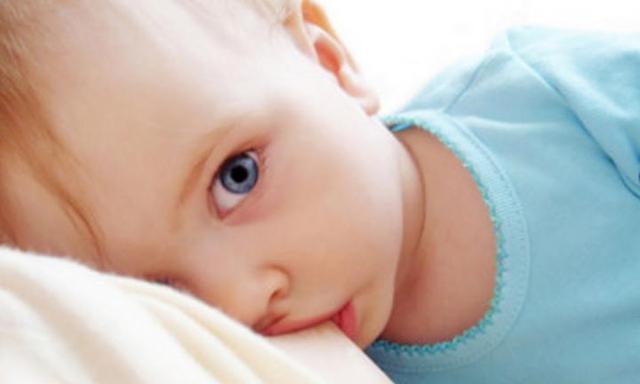
A newborn usually loses several grams of body mass a day in the first 3-5 days after birth before moving into an upward gain trend experts say.
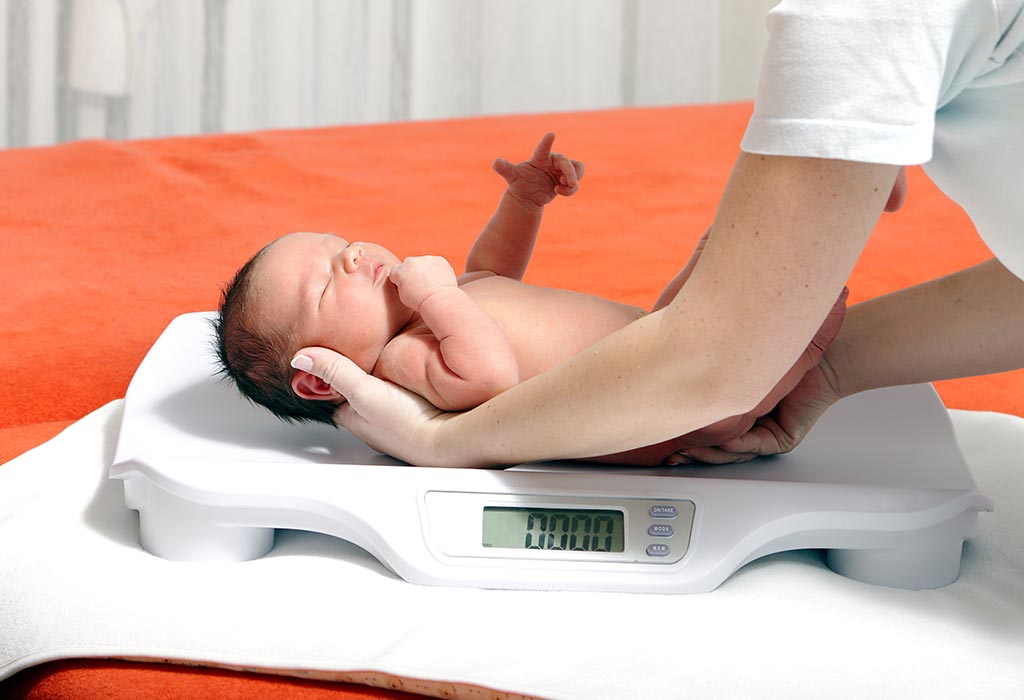
Do newborns lose weight first week. Their body is comprised of more water than older kids and this is shedding of water weight. For a near-term baby measures should be taken earlier See Infants Born. If your baby loses more than this there may be cause for concern.
Most newborns regain their birth weight after 1-2 weeks. Your babys weight from birth to 3 rd or 5 th day up to 10 per cent of weight loss. Most newborns lose weight in the first few days after birth for a number of reasons.
Its considered acceptable for newborns to lose up to 10 of their body weight in the first week but should be back to their birth weight by two weeks old. A 7-10 loss is considered normal for breastfed babies. A team of researchers have developed the Newborn Weight Tool or Newt which compares a newborns weight in the first few days of life against those of other babiesThe free tool relies on hourly.
You can almost think of that first weight re-gain as your baby warming up for the real action. Most healthy full-term babies lose between 5 and 10 percent of their birth weight in the first days after birth. This happens as they lose excess fluid.
After birth they will lose the the weight associated with the fluid. This is nothing to be worries about. Reuters Health - - Even though doctors often tell parents that newborns will regain weight lost after birth within a week or two many infants take much longer to achieve this milestone a US.
3 rd to 5 th day Your babys weight remains constant or he may gain or lose few grams. Weight loss due to high metabolism Babies do tend to lose their weight once their activities increase. 5 th day onwards or as and when your milk supply increases your baby may begin to gain approximately 130 grams to 330 grams a week or 06 kilograms to 14 kilograms per month for the first three months.
For example at 48 hours the average infant born vaginally has lost 7 percent of body weight and 5 percent of infants. This weight loss is normal and not a concern unless a baby loses more than 10 percent of his birth weight. Weight loss Its normal for newborns to lose weight during the first five days after birth.
According to World Health Organization Growth Standards during the first week babies will lose 5-10 of birth weight and regains it within 2-3 weeks. Breastfed newborns can lose up to 10 of their body weight during the first week of life. This is the reason why most of the newborns will lose weight.
As long as theyre feeding appropriately they will quickly make up for it in coming weeks. A 5 weight loss is considered normal for a formula-fed newborn. The AAP says most babies lose about 10 of their initial birth weight during the first three to four days of life and usually regain it within 7 days.
Common health concerns in the first week of life. By the time they are two weeks old newborns should be back to their birth weight or even weigh a little more. Losing up to 10 of the birth weight is normal and should only lsat a week to 10 days at most.
Baby Weight Loss Is Normal. After that babies gain approximately 1 ounce each day. They are meant to and its normal.
It is expected that newborns will lose some weight in the first 5-7 days of life. So if a baby weighs 335kg at birth for example it would be considered normal for them to lose up to 335gr. Almost all babies lose some weight in the first week after birth.
Weight loss of less than 10 percent of birth weight during the first week is considered normal. The first week with a newborn at home can be a nerve-wracking one. Most babies should regain this lost weight by days 10-14 of life.
All newborn babies lose weight right after birth. Their weight in the first week or so after the birth could drop to approximately 3015kg and this would be considered completely normal. Though not equivalent to 10 dehydration a 10 of birth weight loss warrants attention.
Generally they lose weight once they start walking crawling. It is normal for term infants to loose up to 7 of their birth weight before regaining it by day 10. What happens if they lose more than 10 of their original birth weight.
From these figures you can read both the average weight loss and the range.
Your little one will probably only be awake for 30 minutes to an hour at a time and will nap anywhere from 15 minutes to three hours at a stretch. Baby will be sleeping anywhere from 14 to 17 out of every 24 hours give or take.
 Rem Sleep Cycle Of Your Baby Sleep Chart That Helped Over 5000 Moms Nested Bean
There are some differences between the sleeping patterns of a 3-month-old and a newborn however.

Average sleep time for newborns. A newborn baby doesnt have much of a pattern to his sleep schedule. As Im sure you are aware the worlds pre-eminent sleep researcher on children Dr. Generally newborns sleep a total of about 8 to 9 hours in the daytime and a total of about 8 hours at night.
Newborns tend to sleep a lot. The NSF recommends that newborns spend between 14 and 17 hours sleeping every day. Some babies sleep for 16 to 18 hours each day waking up only for short breaks to eat and have a diaper change.
Ferber Director of The Center for Pediatric Sleep Disorders at Childrens Hospital Boston a Professor in the Department of Neurology at Harvard Medical School states for example that a 6-8 months old on average sleeps 125-135 hours of sleep per day on average with night time sleep on average being 925 hours and daytime sleep being 325 hours in total. Newborn sleep times can vary widely. Babies this age tend to stir and look restless during sleep.
But the length of nighttime sleep increases. Newborns sleep an average of 11 to 16 hours a day even this young babies are individuals. Some newborns will sleep for a burst of 30 to 45 minutes while others will sleep for the entire three hours before they need to feed.
Recommended Hours of Sleep Per Day. Most also wake up at least every 3 hours to feed. Most newborns sleep around 8 to 9 hours during the day and 8 hours at night.
While the bulk of total sleep happens at night its rare for newborns to sleep through the night without waking up. But the range is considerable. There has been persistent talk about new parents getting only four hours and forty-four minutes of sleep on the average during the first year of their infants life.
1216 hours per 24 hours including naps 2. A healthy baby in this age range should get a total of about 14 to 17 hours of sleep over the course of a 24-hour day. However this timescale varies widely and some newborns may only.
However they may sleep for only one or two hours at a time. In the first few days the average newborn sleeps between 16-18 hours a day Iglowstein et al 2002. Generally newborns sleep about 8 to 9 hours in the daytime and about 8 hours at night.
Most babies dont start sleeping through the night 6 to 8 hours without waking until they are about 3 months old or until they weigh 12 to 13 pounds. Total nighttime sleep duration is approximately 85 - 105 hours 50 -- or more -- of parents say longest sleep bout is at least 5 hours Babies 2-3 daytime naps average 6-12 months. 1013 hours per 24 hours including naps 2.
New parents will get just four hours and 44 minutes of sleep in an average night during the first year of their babys life it has emerged. Newborns sleep in 2- to 4-hour intervals waking up to eat. By four weeks newborn sleep averages about 14 hours.
In the first 12 months of a childs life mothers and. You might wonder if theyre sleeping too much or. But they may not sleep more than 1 to 2 hours at a time.
They think they are supposed to be awake at night and sleep during the day. Instead like newborns most 3-month-old infants should sleep multiple times day and night for a total sleep time of between 16 and 17 hours per 24-hour period. Newborn to 3 months.
1114 hours per 24 hours including naps 2. Shell typically snooze in short spurts of two to four hours waking to be fed burped changed and soothed. 1417 hours National Sleep Foundation 1 No recommendation American Academy of Sleep Medicine 2.
Around two-thirds of babies truly sleep uninterrupted for that blissful 6 to 9 hours by the time theyre 6 months of age. What are typical newborn baby sleep schedules. But because they have a small stomach they must wake every few hours to eat.
Feeding can offer a number of benefits for you as a new parent to an infant as this is often a comforting moment for your baby and aids them in moving from waking to sleep. Most newborn babies sleep an average of 16 to 17 hours however. Because of the need for feeding this sleep is usually broken up into a number of shorter periods.
Every 2 to 3 hours. Many babies do this on their own but some newborns sleep too long and dont get the nutrition they need.
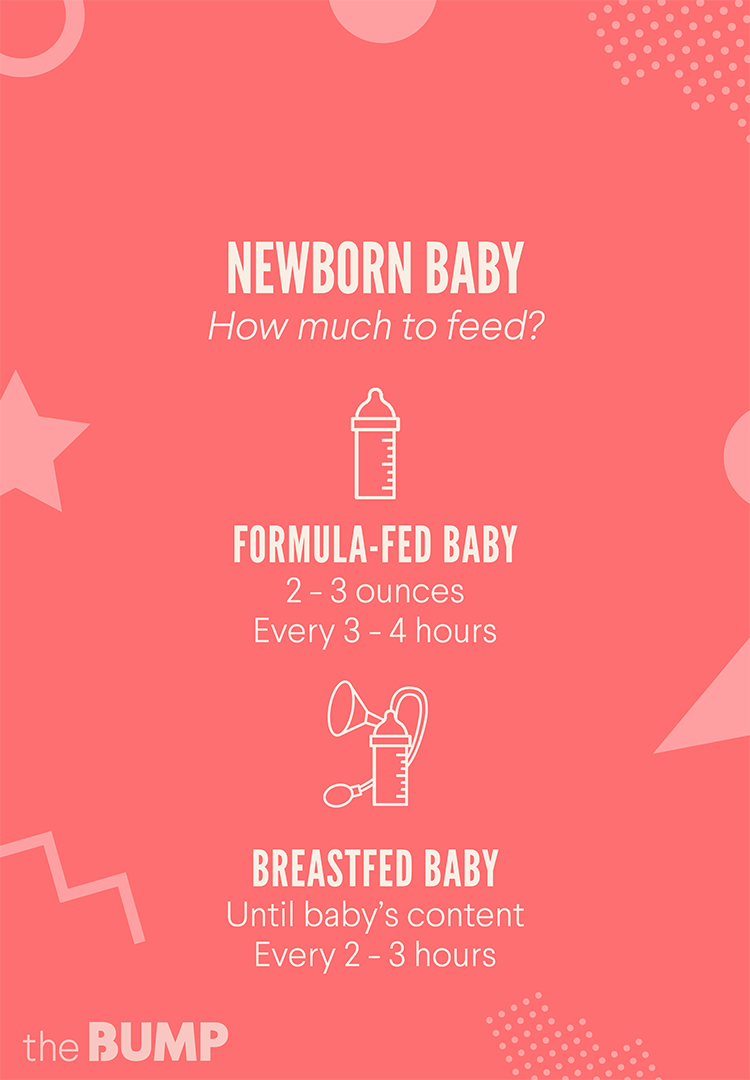 Newborn Baby
A baby typically needs feeding every 2 to 3 hours in a 24-hour period.

How long do newborns feed every 3 hours. The feeding timeline starts from the time your baby starts breastfeeding. But newborns need to eat on a regular basis. Your baby may want to eat as often as every 1 to 3 hours.
That speedy digestion coupled with your little ones tiny tummy which at 2 weeks is only slightly bigger than a ping-pong ball means your baby has a physiological need to nurse about every two to three hours. Everyone knows newborns need feedings day and night. Theres nothing wrong with your milk or supply but babys instincts know that feeding every 20 minutes or so is the best way to trigger your body to produce more.
Look for early signs of readiness to feed such as moving the hands to the mouth sucking on fists and fingers and lip smacking. The good news is that you can feed 3 hourly I am an infant and sleep consultant and most babies are able to go 3 hours if they have a full feed during the day and then ONLY cluster feed in the late afternoons or early evenings. Every 3 to 4 hours.
Over time babies themselves will start to provide you with signals of hunger. Newborns will naturally only need to feed every 25 to 3 hours if theyre taking full feeds each time. Because breastmilk is easily digested it is common for breastfed babies to feed 812 times in a 24-hour period.
Spacing out feedings would not be nearly as efficient. Most newborns need eight to 12 feedings a day about one feeding every two to three hours. Then most pedis are ok with you not waking them to eat.
Its important that you are aware of your babys individual feeding cues 5. The length of feeding time will vary. Many mothers have been told your baby should nurse eight to 12 times a day or every two to three hours and they start to get worried if the baby wants to nurse more often than that.
But what may surprise new parents is how often the baby gets hungry. On average thats about every 2 to 3 hours. The feedings happen every two hours sometimes 3 for about a good month or more and then they slowly start spacing out.
If your baby has a habit of snacking they will not be the ones to stop it youll have to. Cluster feeding is hard and can be exhausting but it does come to an end. Generally they have to nurse every 2-3 hours until theyve regained their birthweight or are at least 8lbs or at to 2 weeks past their due date depending on your pedi.
He or she does not need a lot of milk with each feeding to be full. Most newborns need eight to 12 feedings a day about one feeding every two to three hours. Remember this period of time is temporary.
Frequent feeding helps increase your milk supply and gives your baby practice at sucking and swallowing. This usually means that your baby will breastfeed on average every 23 hours around the clock day and night with possibly one longer stretch eg up to about 5 hours between feeds somewhere in a 24-hour period. When your baby is a newborn the most generalized feeding advice is to feed your baby 10-12 times a day.
The baby is snacking and developing bad habits. Once your newborn establishes a pattern of weight gain and reaches the birth-weight milestone however its generally OK to wait for feedings until he or she wakes up. You have to read the signal that you dont need to wake up the baby for feeding while heshe is sleeping.
Most babies start to cluster feed less by 6-8 weeks and most have outgrown it by 3-4 months. You may be able to hear your baby sucking and swallowing the breast milk. They dont have enough milk.
The baby is using them for a pacifier. Depending on how well your baby latches and sucks each feeding can take a. Cluster feeding is a temporary time in your babys life.
If your baby has surpassed his birth weight and is steadily gaining weight you can stop feeding every 2 to 3 hours during the night and instead feed on demand. Premature and jaundiced babies may sleep through their hunger which means you must wake them to feed. In general for the first months of life a newborn will eat around every two to three hours but this will vary.
A formula-fed baby can go three to four hours between feedings during the first month because formula takes longer to digest. A typical feeding schedule may look like this. For example at one point you will see your baby to nurse for short periods or to fall back to sleep in the middle of a meal.
Every 4 to 5 hours. Lactation consultant Karyn-grace Clarke says. If your baby gains weight slowly or goes too long without feeding his doctor might suggest waking him every three hours or so to eat.
Cluster feeding is a smart way for your baby to boost your milk supply during growth spurts. Your newborn babys belly is tiny. Fussing and crying are later cues.
Many newborns will have a day or two of nursing around the clock and then they tend to fall into a pattern of nursing every two to three hours. At 4 to 6 months. In other hours you should feed the baby once every two or three hours.
While a newborn reflex causes babies to wrap their fingers around objects that touch the palm your babys grasp may now be more deliberate. Most newborn babies can sleep up to 17 hours a day.
 How Much Should A Newborn Sleep Happiest Baby
For babies who are healthy and under one year of age sleeping on the back is the ideal position.

How much are newborns supposed to sleep. How Much Sleep Do Babies Need. Young babies are light sleepers so need much more time in their cots. In the first few weeks of life breastfeeding should be on demand when your baby is hungry which is about every 1-12 to 3 hours.
Once they pass three months this drops to 12 to 16 hours until they are a year old. Whenever anyone asks what Landon is doing I always answer Dormiendo What can I say our little guy takes after his parents. Newborns 0-3 Months Old The NSF recommends that newborns spend between 14 and 17 hours sleeping every day.
However they cannot remain awake for extended periods of time duri. The normal amount of time that babies sleep depends on their age. Contrary to popular belief newborn babies dont sleep very well.
Experts suggest against the usage of bumper pads pillows fluffy bedding or stuffed animals around the baby in the crib. As newborns get older theyll nurse less often and may have a more predictable schedule. Once they pass three months this drops to 12 to 16 hours until they are a year old.
Until three months babies need 14 to 17 hours of sleep. 11 Tips For Safe Baby Sleep. Young babies are light sleepers so need much more time in their cots.
Before you get too excited about all that sleep time it is crucial to understand that while they sleep the majority of the day it is broken up. Babies spend the majority of their day sleeping. Until three months babi.
How much sleep does a newborn need. We have teamed with The Sleep Lady Kim West to answer the most common questions parents have when choosing the Magic Sleepsuit. How much sleep does a newborn need.
How much sleep do babies need when they are born. Once they pass three months this drops to 12 to 16 hours until they are a year old. Babies need 12-18 hours of sleep during the first few months after birth.
Young babies are light sleepers so need much more time in their cots. For the first few weeks it seems that all your newborn will want to do is sleep. She may even be able to hold and shake hand toys.
12 -17 hours of sleep is normal for newborns. On an average a new born sleeps 16 hours in a day with many babies sleeping up to 20 hours and many sleeping far less than the average. However some extra measures would be helpful to ensure safe sleep for your baby.
Contrary to popular belief newborn babies dont sleep very well. Until three months babies need 14 to 17 hours of sleep. Contrary to popular belief newborn babies dont sleep very well.
They usually do not sleep 2-4 hours straight and keep waking up after every 2-3 hours during the initial days. Dont cover babies with a separate blanket since that can accidentally cover their faces during sleep. Your babys sleep revolves around being hungry needing a diaper change or your love and attention.
Some might feed every 90 minutes whereas others might go 23 hours between feedings. If the temperature in the nursery is less than 75 degrees Fahrenheit babies will need a few layers to keep warmThats where sleep sacks with no hoods and wearable sleep blankets come in handy. The characteristic of a.
Young babies are light sleepers so need much more time in their cots. Are babies supposed to sleep this much. Posted by Mike and Amanda at 259 PM.
If newborns generally eat poop and sleep around the clock in the early days what does a newborns sleep schedule look like. Had to post this picture. When held up and supported in a standing position on a surface such as your lap your baby may discover the joy of bouncing.
Babies this age may begin to swipe at objects hanging just out of reach. It is designed to muffle the reflexive startles of babies to aid in their sleep. Newborns typically sleep for about 16 hours each day.
Their sleeping patterns are not regular either. Sleep is a natural need of our body and is crucial for the development of the brain during early childhood. Newborns need 14 to 17 hours of sleep a day 8 hours during the day and 8 at night but cant stay awake longer than 1 to 2 hours at a time and newborn sleep patterns change rapidly.
It is advisable to use a firm mattress rather than an overly soft mattress waterbed or sofa for your baby. With over 10 years of experience we provide you with sample 3-month-old baby schedules including milk feedings for breastfeeding and formula-feeding babies solids naps and nighttime sleep. The Magic Sleepsuit is patented swaddle transition product that provides babies with a cozy calming and safe sleep environment.
The bad news its often not for any longer than two to four hours each time. This is classic Landon. In fact newborns sleep 15 to 16 hours a day.
Being born is hard work. 3 month old babies need 11-12 hours of sleep at night and 3 to 4 hours of sleep during the day for a total of 14 to 16 hours of sleep on average. The good news is newborns sleep so much the first month or two.
Until three months babies need 14 to 17 hours of sleep. How much sleep does a newborn need. Those hours may be erratic because.
Contrary to popular belief newborn babies dont sleep very well. Because of the need for feeding this sleep is usually broken up into a number of shorter.
They may sleep up to 17 hours in a day sure but perhaps only for 12 hours at a time in some. Most babies begin to approximate a more adult sleep schedule between three months and one year of age.
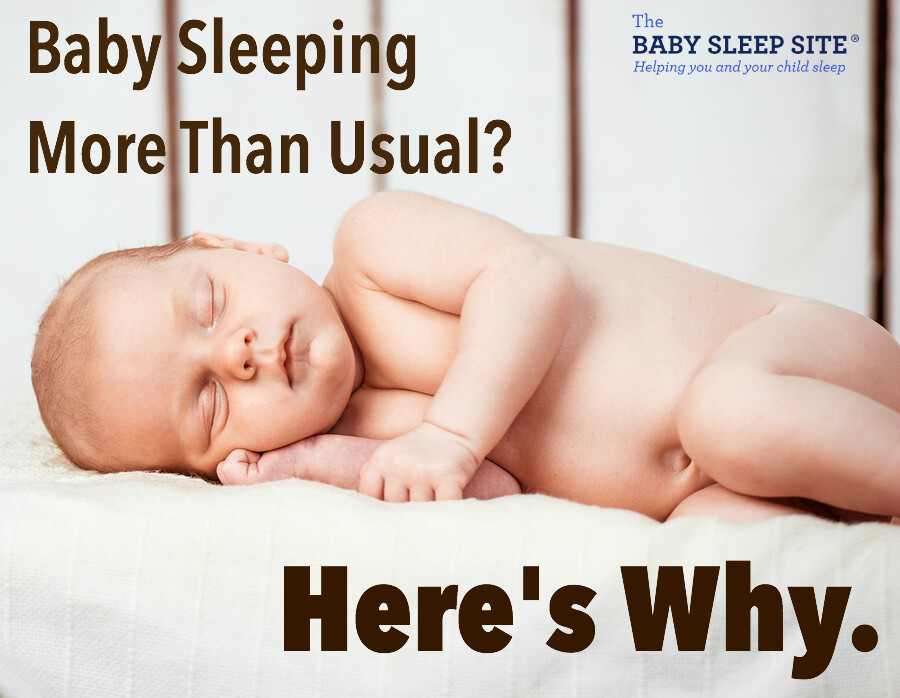 Baby Sleeping More Than Usual 3 Reasons Why The Baby Sleep Site
A 4-month-old might sleep for a six- or eight-hour stretch at night while a 6-month old can go for 10 or 11 hours.

When do newborns sleep more. Newborns sleep in cycles of about 40 minutes. In the new study 23 sets of parents of newborns kept daily sleep records. Its normal for babies to have irregular sleep patterns from birth to 3 months.
During the first three months your baby will begin to sleep for longer periods at a time but most infants dont sleep for more than a 4- to 6-hour stretch day or night. Babies rack up lots of sleep overall averaging 16-18 hours a day during the first two weeks. A newborn baby doesnt have much of a pattern to his sleep schedule.
If your baby is eating more sleeping longer or taking more naps over a few days this is entirely common. Newborns may sleep more or less than usual when they are sick or experience a disruption in their regular routines. Generally newborns sleep about 8 to 9 hours in the daytime and about 8 hours at night.
Your little one will probably only be awake for 30 minutes to an hour at a time and will nap anywhere from 15 minutes to three hours at a stretch. As your baby nears her first birthday shell sleep between 10 and 12 hours at night. With a little growing bean growth spurts can be expected.
When your baby needs to feed during the night keep the lights dim and reserve stimulating interaction for the daytime hours. By the time your baby is around 2 to 3 months of age you can encouraging them to sleep more at night. In fact youll likely see it again from time to time.
However by the time they reach one year they tend to sleep for longer hours during nighttime without frequent wake-ups and the overall sleep time decreases 2. Most babies dont start sleeping through the night 6 to 8 hours without waking until they are about 3 months old or until they weigh 12 to 13 pounds. How Much Do Newborns Sleep.
However not all babies conform to an adult sleep schedule at the same age. Yet they awaken frequently and rarely sleep more than 4 hours at a stretch even at night. As every parent knows the world of newborn sleep is exotic and strange.
Why are my newborn babys sleep patterns so unpredictable. 0-10 minutes they start to fall asleep 10 to 20 minutes they are getting into deeper sleep 20 to 30 minutes they are heavily asleep 30 to 40 minutes they are coming out of heavy sleep and 40 to 50 or 60 minutes they are in light sleep and easy to wake up. But they may not sleep more than 1 to 2 hours at a time.
Children from one to two years need 1114 hours of sleep per day 1. Granted this will literally be impossible to accomplish for most babies before 4 to 6 weeks. Infant sleep time was compared with growth in length for durations ranging from four to 17 months.
Growth spurts in length. The awakesleep cycle is also directed by the need to feed. Newborns frequently have their days and nights reversed.
They have sporadic sleep patterns that can be puzzling and even change from one week to the next. But the length of nighttime sleep increases. Newborns generally sleep in short intervals of 3045 minutes and in three- to four-hour increments in a day.
Babies that are born prematurely often need even more sleep than babies born at full term. The exact amount that a preterm newborn will sleep can depend on how premature they were born and their overall health. Their internal clocks arent yet synchronized with the external 24-hour day.
Do not let your baby sleep longer than 2 hours at a time from 7 am to 7 pm. Over time babies gradually start sleeping for longer stretches at night. Baby will be sleeping anywhere from 14 to 17 out of every 24 hours give or take.
This has got to be the single most effective thing you can do encourage your newborn to have longer stretches of sleep at night. Most newborns sleep in bursts of 3045 minutes to as long as 34 hours. Newborns usually sleep in short bursts of 2-3 hours through the day and night.
It is not uncommon for premature babies to spend around 90 of their time asleep. Sleep cycles typically last about 45 minutes to an hour for newborns. They often need help to settle after each cycle.
Its quite all right to let them sleep more nurse more or eat more solid foods if theyre at that stage. While most little ones average 14 to 17 hours of sleep in the early days up to 18 and 19 hours may still be normal according to Nemours Health. During this time of life babies begin to sleep for longer periods during the night and shorter periods during the day time.