When your baby is around seven to nine months old you may include a variety of foods from different groups 2 4. She gets another 6-7 ounce bottle.
 Discover A New 8 Month Old Schedule For Your Baby Samples Included Baby Food Schedule 8 Month Old Baby 8 Month Old Schedule
Skip to the schedule 7 month old babys sleep At this age some 7-month-olds can sleep through the night without a feeding and take two to three naps.
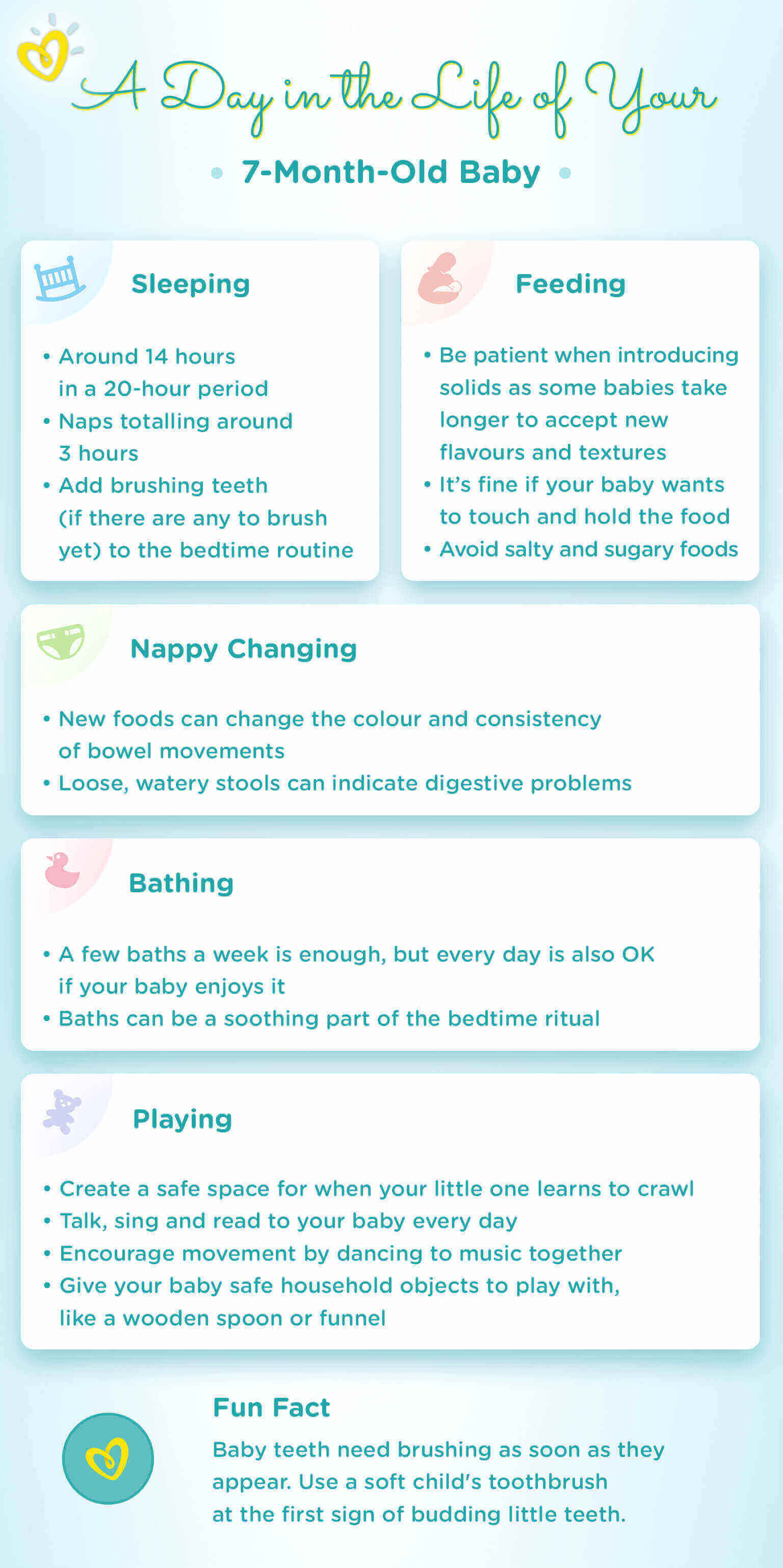
7 month old eating schedule. Also youll find some links throughout the schedule for my favorite cups and foods. Continue to offer a wide variety of fruits vegetables grains and protein-rich foods. Wake-Up Breastfed or bottle upon waking.
Afterwards she has a 7-8 ounce bottle. A seven-month-old should be drinking about six to eight ounces of formula four to six times per day. Wake and nurse or bottle 6 to 8 ounces breast milk or formula 745 am.
Traditionally parents start with single-grain cereals 3 or single vegetable and fruit blended mashed or soft cooked. On average a 7-month-old needs to have 3 to 4 feeds consisting of 8 to 12 tablespoon or 12 to 1 small katori of solid food and 3 to 5 feedings of baby formula or breastmilk. Pediatricians used to recommend introducing purees or solids at 4 months of age.
1245 230 pm. Afterwards we usually go out somewhere. Heres my favorite bottle for breastfed babies.
As your baby gets older hopefully your pumping journey has gotten easier. 700 Wake and Breast milk or Formula 815 Breakfast 900 Morning Nap at least 1 hour 1000 Breast milk or Formula 1230 Breast milk or Formula 100 Early Afternoon Nap at least 1 hour 300 Breast milk or Formula 400 Optional Catnap 30-45 minutes 430 or 500 Dinner. This article outlines the average 7-month-old baby schedule including milk feedings for breastfeeding and formula-feeding babies solids naps and nighttime sleep.
Sample 7 month old schedule. Formula-fed babies should be given six to eight ounces of formula four to six times per day with solid food given three times per day. At 7 months you should continue to breastfeed on demand or offer up to 18-21oz 500-600ml infant formula in a 24 hour period.
Its fine to serve your baby what the rest of the family is eating just watch out for added sugars which arent recommended for children under 2. Solid foods two to three times a day plus about 24 to 32 ounces of breast milk or formula in a 24-hour period. As the solid food intake increases you can gradually reduce the quantity of breast milk or formula milk or continue till the child naturally weans out.
How much formula for a 7-month-old baby. This schedule assumes that your 7- to 9-month-old is taking two naps though some 7-month-olds may still need three. 6 Month Old Feeding Schedule works for 7 month olds too Times are given in a range of possible start times not duration.
Some babies may still need breast milk or formula as their main source of nutrition at this age as well. As youre creating a schedule for your baby keep in mind that at 7 and 8 months most babies need. How often should a 7-month-old eat.
Your baby may consume a total of about 25 ounces of breast milk every day at this age. Best feeding routine at 7 months for all types of weaning. Or if it is youll be cluster feeding like your 7 month old was a newborn.
In terms of breastfeeding usually a 7-month-old baby nurses for 34 hours a day. 7-month-old feeding tips Feeding a 7-month-old baby takes time patience and lots of trial and error. Your baby will gradually move towards eating 3 meals a day breakfast lunch and tea.
Now you can probably introduce chunkier foods -- mashed fruits and vegetables instead of pureed. Example Pumping Schedule For A 7 to 8 Month Old. Many moms will be able to drop another pumping session at this time.
The daily caloric requirements for babies aged 79 months is around 825 kcalday for boys and around 765 kcalday for girls. Here is a sample schedule once your baby has reached the 7-month or 8-month mark. 7-month-old baby food menu.
Keep in mind there is no rush and your little one might just take their time adjusting. Offering a wide variety of different foods is important to ensure they get enough energy and nutrients such as iron. So the 5 to 7 month mark generally means that unless baby is getting a lot of breast milk and whatever solids you offer they will be hungry.
They now suggest 6 months. As your babys eating skills improve gradually introduce more textures and soft finger foods. Offer them 4 tablespoons of iron.
At 7 months old you should continue to introduce new foods and textures to your baby. Noon We come home for lunch. She takes another nap.
When her big brother wakes up from his nap we take the dog for a walk and go outside to play. Boil and mash hard fruits like apples before serving it to the baby. Get specific tips on how to tell whether your baby is getting enough breast milk or formula.
Breakfast 2 to 3 tbsp plain Greek yogurt 2 to 3 tbsp thinly sliced strawberries 14 slice whole grain toast. Eat together as much as possible they learn a lot from watching you. A 7-month-old baby feeding schedule for formula-fed babies will look a little different.
Your 7-month-old should have already started to eat solid foods. However dont worry if your babys milk intake naturally declines as his intake of solid food intake increases. Congrats you have made it past 6 months of breastfeeding.
If your baby is breastfed the general rule is that most newborns need between 20 and 30 ounces of breastmilk and between 25-35 ounces once theyre past the newborn stage. 9 to 12 months.
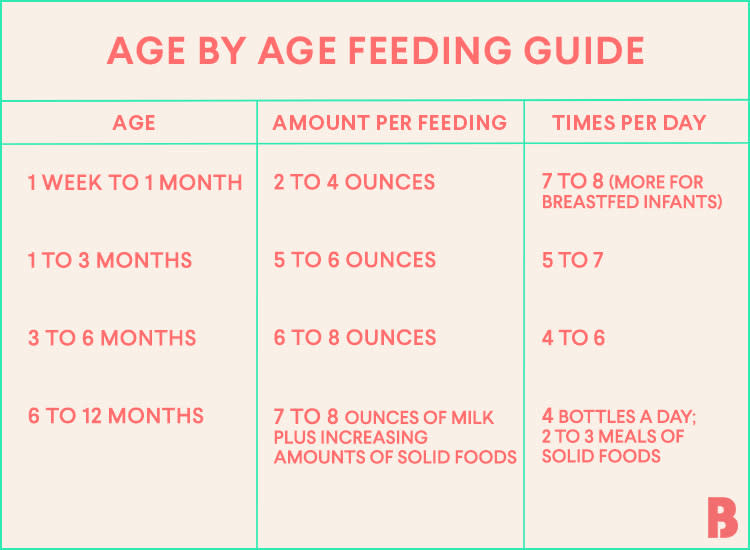 Feeding Baby How Much Should A Newborn Eat
Dont expect your baby to finish a meal.
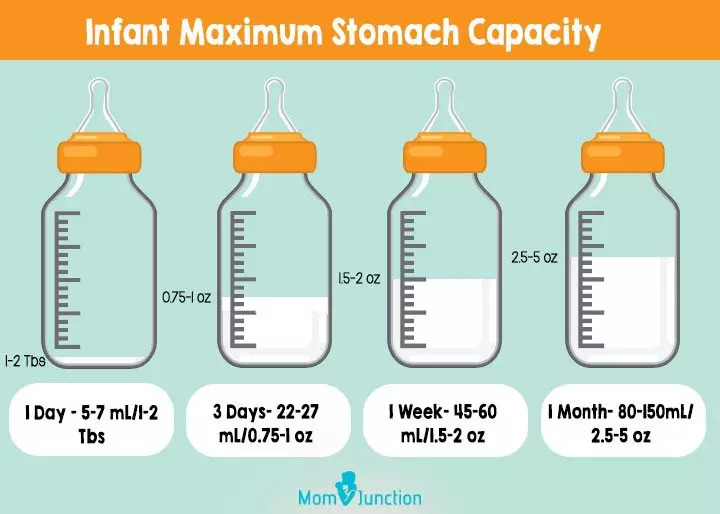
Newborn eating chart. As your baby grows his or her belly grows too. Baby Feeding Chart at a Glance. As your baby gets older and is eating more solids you will gradually increase the portion sizes.
Babies will probably only eat 12 of a tablespoon portion of food the very first times you begin solids. Infants should drink breast milk andor formula for the first year of life. Once they turn 6 months old they may take up to 8 ounces every four or five hours says the AAP.
You can also add your own notes if you want to add so you can discuss it afterward. Expect to add about an ounce per month until baby is eating 6 to 8 ounces of formula at a time which usually happens when baby is 6 months of age. Your baby will be able to drink more infant formula at each feeding and the time between feedings will get longer.
Canned foods may contain large amounts of salt and sugar and shouldnt be used for baby food. Start with a very small amount 1 to 2 teaspoons of a single-ingredient puree. Picking up on your babys hunger cues helps you know when hes ready to eat or have some more.
Fortunately you dont have to. On average thats about every 2 to 3 hours. By 8 months or so babies often have three meals and start adding snacks.
Heres a handy baby eating chart summarizing how many ounces of milk a baby should be getting depending on the situation. Baby will likely get hungry every three to four hours eating about 2 ounces per feeding as a newborn and progressing to 4 ounces by the end of the first month. Most infant formula-fed newborns will feed 8 to 12 times in 24 hours.
Your babys growth and development depend on a large consumption of fat and calories. Around 14 to 12 cup of dairy foods a day. When your little one reaches 6 months you may even start feeding him tofu.
Begin offering breast milk andor formula in a cup starting at 6 months of age. Signs baby is hungry. Every 2 to 3 hours.
Plus taking notice of his early hunger signs means you can get him fed before he. Always wash and peel fruits and vegetables and remove seeds or pits. A typical feeding schedule may look like this.
If you are bottle feeding you should record how many ounces she drinks each time by writing 25 oz or 3 oz etc. As you watch for those delightful baby milestones from first smiles and giggles to sitting and crawling it can be hard to keep track of everything related to your babys feeding schedule. Popular first foods include pureed mango banana chicken turkey beef peas sweet potatoes and infant cereal.
Gradually increase to 1 to 2 tablespoons of food once a day. Like breastfed babies bottle-fed newborns should eat on demand. Weve assembled all the necessary details in the chart below including feeding.
This nutrition chart from WebMD shows what solid foods your baby should be eating at each stage of the first year and how to prepare them. Remember this is a new experience for your baby. For example an 8-pound baby would need about 20 ounces of formula in a 24-hour period.
The baby feeding and diaper chart is maintained on three levels. These baby feeding charts for breastfeeding babies formula-fed babies and solids will help guide you to know if your baby is eating enough and how to help your baby sleep through the night sooner rather than later. Around 14 to 12 cup of protein-packed foods a day.
Simply multiply your babys weight by 25. 16 to 30 ounces of formula or milk or three to five nursing sessions a day Around 14 to 12 cup each of grains fruit and veggies twice a day. Dont use salt or sugar when making homemade infant foods.
If you are breast feeding youll want to record how long on each breast. The amount of feeding to include on your baby feeding log for this age is around a teaspoon of pureed fruits or cereal mixed with up to 5 teaspoons of breast or formula milk. Continue to offer a wide variety of fruits vegetables grains and protein-rich foods.
When introducing juice offer 100 pasteurized juice and limit it to 46 ounces per day. Obviously the main reason for the baby feeding schedule is to record when you feed your baby and for how long or how many ounces. Start with dry infant rice cereal first mixed as directed followed by vegetables fruits and then meats.
Fruit juice is not recommended under 1 year of age. This is the record of feeds a baby takes in one day the time of the feed given to the baby the amount given usually in ounces and the duration in which the baby finishes the feed. Talk with your childs doctor or nurse about how much infant formula is right for your baby.
Follow your babys fullness cues. Fillable and printable Baby Feeding Chart 2021. First Weeks and Months.
As your babys eating skills improve gradually introduce more textures and soft finger foods. Indeed babies should still drink about 4-6 ounces per feeding when theyre 4 months old. As time goes by you can increase the amount one teaspoon at a time.
Anything picked with hand goes straight into the month except food this is a universal law when it comes to babies agree moms. Learn how to clean bottle feeding supplies and more.
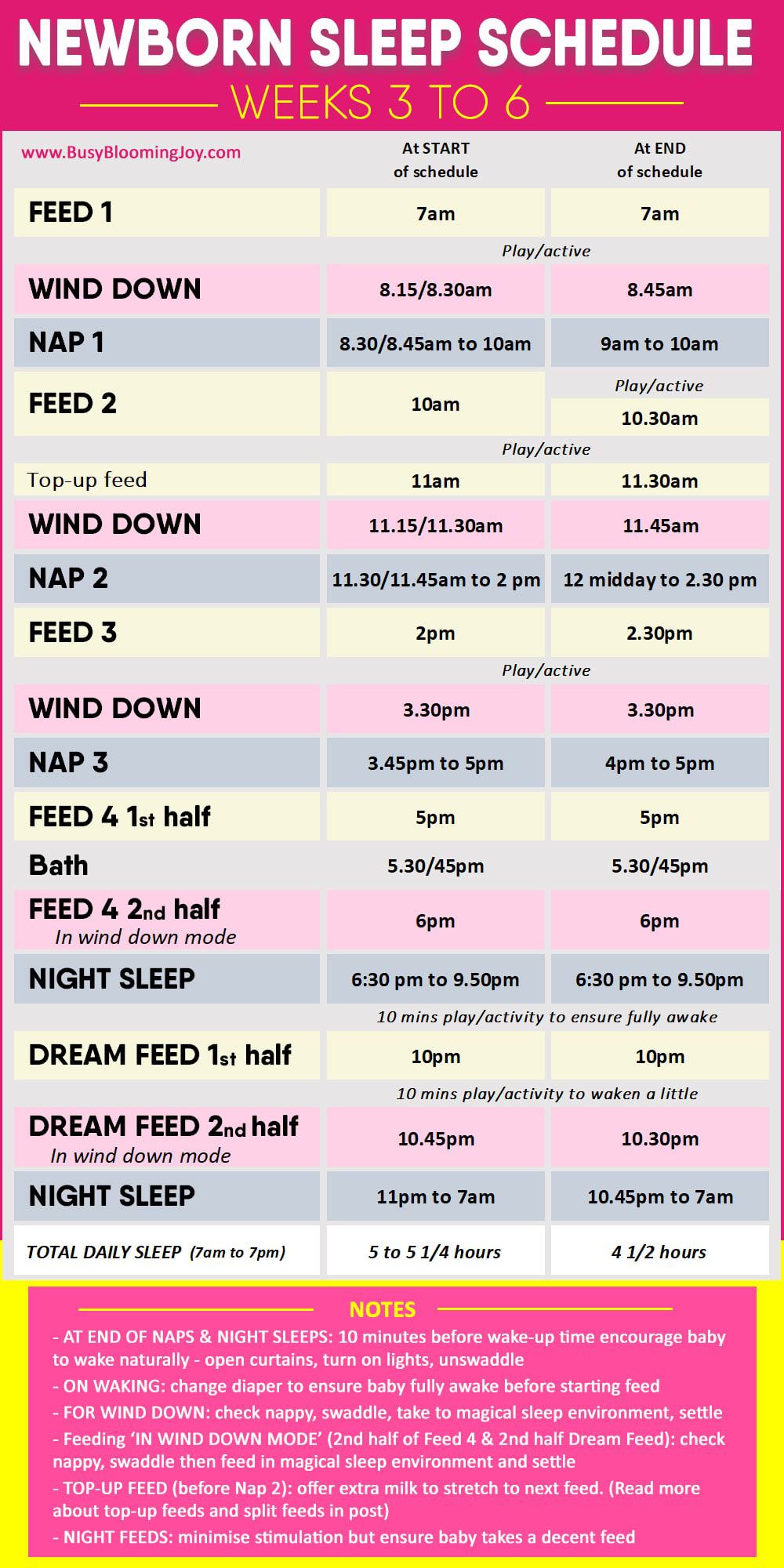 A Newborn Sleep Schedule That You And Your Baby Will Love
You will get familiar with your childs cues gradually and can start to develop a schedule of sleeping playing and eating that meets the needs of your whole family.
Infant eating schedule. At the first time offer only the foods which are easy to digest. Offer only breast milk or formula in bottles until 1 year of age unless specifically advised by your health care provider. A study of breastfed babies found that 2 simple scheduling tweaks yielded a big improvement in sleep in the first 2 months.
You should nurse or offer a bottle whenever your little one is hungry in the first few months as a newborn. As your baby gets older their stomach. Newborns need to be feed on demand by breastfeeding and every few hours by formula feeding.
Baby Feeding Schedule 1 to 12 Month 0 to 4 Months Baby Feeding Schedule. 8 to 12 months Signs of readiness for solid and soft finger foods. This amount will increase as your baby grows.
By 8 months its typical for your baby to be eating one to two meals a day. This age of the baby is very important and you should maintain strictly the Baby feeding schedule. I decided to write up the schedule that we are currently following with N so other moms can get an idea of what timing we use for things.
But many experts including Altmann say that babies are ready for a general schedule between 2 and 4 months of age. A formula-fed infant will take about 2 to 3 ounces per feeding and theyll eat every three to four hours. Most 6 to 12 month olds will need infant formula or solid foods about 5 to 6 times in 24 hours.
A baby is considered a newborn from birth until about 3 months of age. Sample baby feeding schedule for 4- to 6-month-olds This schedule assumes that your 4- to 6-month-old is taking three naps though some 6-month-olds will drop down to two and youre introducing solid foods by spoon-feeding purées. Waking up for a dream feed between 10 pm.
While creating an 8-month-olds feeding schedule remember that most babies this age need the following. Based on medical research newborns tend to be frequently hungry. Making a feeding schedule for your eight-month-old baby is very personal.
And your baby is going to let you know. Your baby will sleep in short bursts anywhere from 30 or 45 minutes to 3 or possibly 4 hours and then eat between periods of sleep. Fruit juice is not recommended under 1 year of age.
8-month-olds feeding schedule. If you divide this between four nursing sessions it is about 68 ounces each time. Whenever you introduce a new food start with a very small amount a teaspoon or two to allow your baby to get used to a new flavor and texture.
Learn about choosing an infant formula preparing and storing infant formula and how much and how often to feed. May 23 2016 - When I had my first baby it was hard for me to figure out what her daily schedule was supposed to look like. Most infants sleeping and feeding habits become more consistent and predictable after three or four months says pediatrician Marc Weissbluth author of Healthy Sleep Habits Happy Child.
Feeding From a Bottle. Babies will generally take what they need at each feeding and stop eating when they are full. After the age of 6 months your baby needs more nutrition so give him solid foods besides the breast milk.
As for mothers it is a challenge to know and understand your babys feeding Time Schedule in order for you to adjust and cope up with it. To help you get started here are some of our featured templates. Infants should drink breast milk andor formula for the first year of life.
6 to 12 Months Old Continue feeding your baby when he or she shows signs of hunger. Displays rooting reflex Turns head inward searching for nipple. What Is a Baby Feeding Schedule.
Finger food for a 9 month baby. You dont have to worry as this is completely natural for a growing baby. During this period your newborns sleep patterns will look nothing like yours.
Baby feeding schedule by age On day one of life your babys stomach is the size of a marble and can only hold 1 to 14 teaspoons of liquid at a time. Downloadable Infant Breastfeeding Schedule Templates. A 10-month-old baby should be drinking at least 2432 ounces of breast milk or formula every 24 hours.
Formula or breast milk ONLY. Feed your baby breast milk or infant formula from a bottle. Keep 5 to 6 sessions of feeding.
A good feeding schedule for a 10-month-old should include at least 34 nursing sessions or bottles per day. Begin offering breast milk andor formula in a cup starting at 6 months of age. Responding to nighttime cries with a few minutes of holding or a diaper change before feeding.
Foods Drinks for 6 to 24 Month Olds. Keep in mind that. So the 9 month old baby feeding schedule should include any grain fruit veggies diary and a protein rich food like egg fish meat or legumes.
Most pediatricians and the American Academy of Pediatrics recommend introducing solid foods to babies when they are between ages 4 and 6 months. The American Academy of Pediatrics recommends only breast milk until babies are six months old but some infants may be ready for solid foods as early as four months old.
 Introducing Solids Why When What How Raising Children Network
Your baby will naturally eat more frequently during growth spurts which typically occur around 3 weeks 3 months and 6 months of age.

When can babies start eating food. The short answer is that babies should start eating solid baby foods once theyre six months old. By the time he or she is 7 or 8 months old your child can eat a variety of foods from different food groups. Continue to offer a wide variety of fruits vegetables grains and protein-rich foods.
Introducing your baby to solid foods sometimes called complementary feeding or weaning should start when your baby is around 6 months old. Babies can now eat solid food at the age of seven months old. Its important to look for specific developmental milestones that indicate your baby is ready for food.
Here are signs that your little one is ready for jar baby food. Once your baby has doubled his birth weight and weighs 13 pounds or more hes likely ready to start eating pureed baby food. Most experts agree that babies should be introduced to solids foods between four and six months of age.
Theyll still be getting most of their energy and nutrients from breast milk or first infant formula. While there is no strict rule and each child develops at a different pace full-term babies typically hit the mealtime milestone at 4 to 6 months of age. Your child can begin eating solid foods at about 6 months old.
Just grab a bottle or offer a breast when your little one gets fussy. Just keep a lookout that the pieces arent too big or that they arent showing too much food into their mouth at once because banana can clump together. When your baby gets the hang of eating the first food introduce others such as puréed fruits vegetables beans lentils or yogurt.
As your babys eating skills. Once babies are eating watermelon well they can often handle banana. Add variety to your babys diet.
When should a baby start eating solid foods. When do babies start eating baby food. You can begin feeding your baby certain properly cooked fish as early as six months of age.
Its fine to serve your baby what the rest of the family is eating just watch out for added sugars. More about what your 4-6 month old baby can eat AGESTAGE. At 4 to 6 months old children naturally become more aware and interested in their environment.
When Can Babies Eat Banana. Some babies will also cluster feed meaning theyll feed. Babies 4-6 Months The AAP recommends that an infant not be started on solid foods until after 6 months of age.
Thats when they start to lose the tongue. These foods include infant cereals meat or other proteins fruits vegetables grains yogurts and cheeses and more. But by ages 4 months to 6 months most babies are ready to begin eating solid foods as a complement to breast-feeding or formula-feeding.
They are ready to begin chew solid bits and parents usually try to integrate this feeding habit to their child as to balance their breastfeeding or bottle-feeding habit. At this age feeding is mostly to learn different textures and flavors and babies still receive a majority of their nutrition from formula or breast milk. During this time babies typically stop using their tongues to push food out of their mouths and begin to develop the coordination to move solid food from the front of the mouth to the back for swallowing.
By 8 months or so babies often have three meals and start adding snacks. By 9 to 12 months about half of your babys calories should come from food and the other half from breast milk or formula Dr. Experts recommend introducing common food allergens to babies when theyre 46 months old.
But sometimes little kiddos can already nibble solid food by ages four to six months. The longer answer is that there is some flexibility on when. At the beginning how much your baby eats is less important than getting them used to the idea of eating.
Your baby can eat meat that has been pureed to a very thin smooth consistency as soon as he starts eating solid food usually around 4 to 6 months. Wait a few days between introducing new foods to make sure your baby doesnt have an allergic reaction. Babies can often start eating watermelon between 7-10 months old.
When your baby is first born feeding is a breeze. Single-ingredient pureed fruits vegetables or grains are among the best first foods for a baby.
Teething is a common culprit for a baby not eating. Baby feeding issues can range from a sudden spray of spit-up to a smear of carrots in the hair to a refusal to eat.
/ElisabethLHOMELETGettySleepy-56a0b7e85f9b58eba4b321b8.jpg) Tips For Breastfeeding A Sleeping Baby
Tips For Breastfeeding A Sleeping Baby
And more importantly your newborn constantly feeding is normal and common.

Newborn not eating. A newborn that suddenly stops eating after that needs medical evaluation unless youre offering feedings too close together. To help your baby with his stopped up nose you can use saline nose drops. If none of these are happening baby is likely asleep and engaging in non-nutritive sucking.
But what may surprise new parents is how often the baby gets hungry. Your Baby Wont Eat Because Shes in Pain. Not gaining weight as theyre not keeping enough food down.
If baby does not latch or does not suck effectively or wont sustain a suck for more than 3 sucks even with breast compressions then either try supplementing at the breast or stop and offer baby a little supplement 12 ounce or so of expressed milk or formula and then have another try at nursing. But there are other reasons for pain that may be contributing to why your baby wont eat. If your baby will take a pacifier youll see that they will also suck at the pacifier while sleeping.
Think of it as natures way of increasing your milk supply. 3 months of age. They may stay at the breast for a long time but that doesnt mean they are actively feeding.
If he has a cold it will last about 7-14 days. Call your doctor immediately if this occurs especially if your baby appears ill in any other way. This is known as silent reflux.
Lactation consultant Karyn-grace Clarke says. Sick Babies And Dehydration. Not offering baby enough to eat is frequently believed to be the cause when a baby doesnt gain as much weight as expected.
If the second try is unsuccessful then go ahead and finish up the feed with whatever method of supplementation you are using. Whether they are humorous or downright scary theres a way to handle them. To wake a baby to eat try brushing the side of their cheek.
If he seems fussy after eating or expresses no interest in eating this may also indicate a problem. Being unsettled during feeding. After all the more demand for milk the more your body will produce.
4-6 weeks of age. Plus your baby likes to be near you not just for food but for comfort. This is 100 normal feed your newborn as often as she needs it as the extra nourishment is important during the growth spurt.
If your baby wont eat what you offer the first time try again in a few days. Many illnesses can cause a newborn to refuse to eat. While this is a common cause of poor growth in third world countries where food is scarce or expensive its rarely the reason for babies in developed countries to underfeed or display poor growth.
If they are nursing it will be moving up and down. It sounds like your baby is having a bad cold or other virus infection. An illness involving a sore throat or ear pain may cause short-term food refusal.
Tender navel or penis. A baby who is not getting enough daily nourishment will not urinate as frequently and his urine may be dark yellow or orange. During growth spurts often at two to three weeks after birth your newborn might take more at each feeding or want to be fed more often.
Newborn baby lethargic and not eating Newborns that are very lethargic symptoms and diagnosis Lethargic six month old baby Baby blotchy rash lethargic Lethargic 6 month old baby Lethargic 8 week old baby. You make these by adding 05 teaspoons of table salt to 2 cups of boiled water. Known as cluster feeding frequent feeding is your babys way of getting your body to produce enough milk for her growing body.
Its just a fact of life. Swallowing or gulping after burping or feeding. Why is my newborn feeding for hours on end.
If your baby refuses several feedings in a row or eats poorly contact the doctor. Everyone knows newborns need feedings day and night. Crying and not settling.
It may take a few days for your baby to wake up and start eating normally after birth. Baby Avoids New Foods. Then look at babys chin is it moving as it does during active sucking aka nursing.
Sometimes babies may have signs of reflux but will not bring up milk or be sick. If your baby or family has a history of allergies talk to your babys doctor about specific timing. Wait three to five days if possible before offering another new food.
Many newborns will have a day or two of nursing around the clock and then they tend to fall into a pattern of nursing every two to three hours. Premature babies are typically poor feeders because they often have not yet developed the skills needed to suck and swallow milk. Your newborn wont necessarily eat the same amount every day.
Some doctors recommend that you introduce new foods one at a time. One of the most common causes of poor feeding is premature birth. Children come equipped to reject new foods says Elizabeth Ward MS RD author of The Complete Idiots Guide to Feeding Your Baby and Toddler.
This can trigger the rooting reflex. Next discern whether baby is swallowing or not. Respond to early signs of hunger rather than keeping a strict eye on the clock.
If your baby is hard to awaken or unusually sleepy tell the doctor right away. If he has a stuffy nose andor a fever he will not eat much. Babies younger than 4 weeks should not go longer than 4 to 5 hours without food.
During these growth spurts it will feel like your newborn is feeding almost constantly and like when shes not feeding shes sleeping. He may only pass bowel movements once every few days and they may be hard and dry. Let the doctor know if your baby is extremely floppy crying more than usual or very hard to console.