In addition milk and milk products have not been found to affect iron absorption. A 2018 experiment published in the journal.
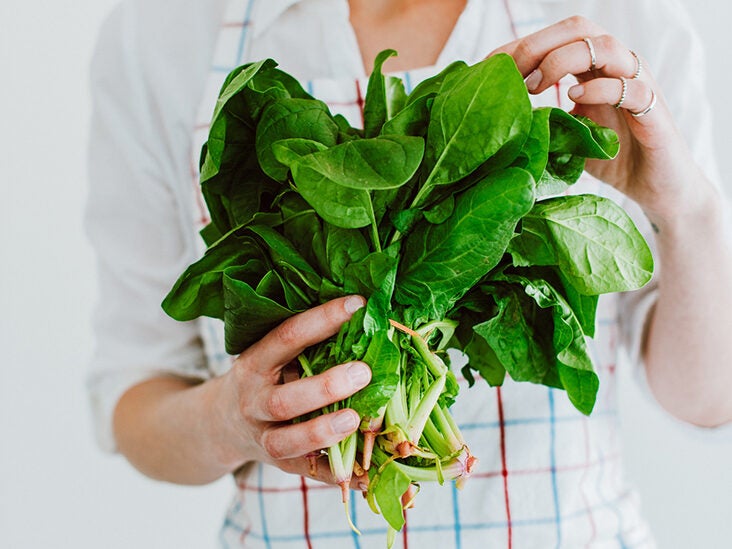 How To Increase The Absorption Of Iron From Foods
Calcium interferes with the absorption of calcium absorption inhibitors such as magnesium iron and zinc.

Does calcium help absorb iron. Similar experiments have demonstrated that calcium interferes with the absorption of iron Hallberg 1998. Phytates which are found in most plant foods can reduce iron absorption by up to 80. Limit Certain Drinks If maximizing calcium absorption is on your mind its time to stop drinking beverages that could do the opposite for you.
Journal of Nutrition 129 707 711. For example calcium absorption can be reduced by taking with spinach. Strategically combining certain foods can help your body better absorb vitamins and antioxidants.
Your body processes iron and calcium in much the same way so taking them at the same time interferes with the bodys ability to absorb both. Because heme and nonheme iron are absorbed by differ- ent receptors on the mucosal surface inhibition by calcium must. Foods containing phytates calcium and polyphenols can significantly reduce iron absorption.
Wauben IP Atkinson SA 1999 Calcium does not inhibit iron absorption or alter iron status in infant piglets adapted to a high calcium diet. Avoid taking calcium rich foods or calcium supplements along with iron rich foods as calcium also interferes with absorption of iron. Cook in iron cookware to add iron to your meals.
Why You Need Calcium Calcium is one of the most important nutritional elements for optimal bone and dental health and muscle performance. Absorption by calcium is the same for nonheme and heme ir on 2 11. For that reason to prevent any deficiency related to those minerals do not take calcium supplementation with foods that block calcium absorption.
Wheby MS Jones LG Crosby WH 1964 Studies on iron absorption. Calcium has important role in keeping your bones strong and your muscle health while iron has prominent role in producing the adequate amount of red blood cell. According to the Dietary Reference Intakes while the interaction of calcium and iron is significantly evident in single meals little effect has been detected in serum ferritin circulating iron in your blood concentrations over the long term.
Health Risks of Excessive Iron Iron toxicity from food sources is rare. Iron helps carry oxygen in red blood cells throughout your body but too much iron is stored in organs such as the liver and can cause damage. Evidence suggests that calcium does not have any significant long-term effect on iron absorption.
Calcium Interference the Iron Absorption It is true that both calcium and iron are two important properties required in your body. The skeleton contains 99 percent of your bodys calcium supply. Taking calcium and iron supplements together will block some iron from being fully digested plus it may lead to an upset stomach.
You also need to worry about getting too much calcium from other sources. When you have low iron stores you absorb more iron. Studies on human subjects have shown that calcium Ca can inhibit iron Fe absorption regardless of whether it is given as Ca salts or in dairy products.
Any preventive effect is only temporary and as long as you maintain a nutritious balanced diet for your child on a long term basis they will get all the nutrients they require to grow strong and healthy. Iron pills taken with high doses of calcium may inhibit the absorption of iron so its often advised that you take the supplements separately. This has caused concern as increased Ca intake commonly is recommended for children and women the same populations that are at risk of Fe deficiency.
In addition some studies investigating the interaction of iron and dairy products found no detrimental effect on iron absorption. Perales et al 2006. While you dont need to go crazy planning your meals perfectly to avoid this combination it can be helpful to avoid an iron supplement with a high-calcium meal such as with milk or leafy greens.
The general consensus is that calcium can interfere with iron absorption on a short term basis. A source of vitamin C like lemon juice helps boost the absorption of the plant-based iron found. In general studies of whole diets and studies conducted over several weeks tend to show no effect of increased calcium intake on iron absorption.
In fact calcium supplements reduce iron absorption by about 50 percent. So if youre trying to boost the absorption of calcium limit your coffee tea or soda to one or two a day. In addition experimental studies of calcium and iron status measures such as serum ferritin show no long-term effect of calcium supplementation on iron status.
What about phytic acid. At the end of the day nearly all nutritionists and experts agree that Calcium does not have any long term effect on iron absorption. The same rule applies to food and beverages consumed with both supplements.
For example caffeine actually reduces calcium in your body since its a diuretic.
There is also the theory that single-meal studies may be overestimating the effect of Calcium on iron absorption. Understand that you need a minimum of 2 hours between calcium and iron and a minimum of 4 hours between iron doses.
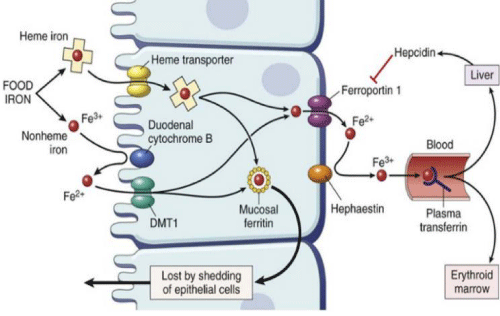 Factors Affecting Iron Absorption And Mitigation Mechanisms A Review
Check With Your Physician Anytime you add in a new vitamin or another dietary supplement its essential that you check with your primary care physician.
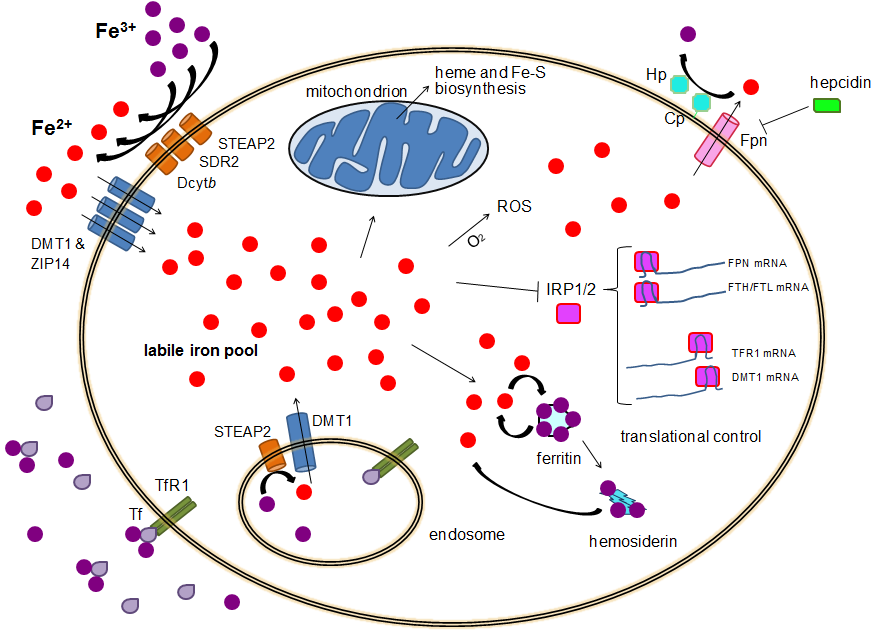
Calcium aids iron absorption. Foods high in vitamin C such as citrus fruits dark green leafy vegetables melons potatoes. Unabsorbed calcium is precipitated in the ileum and is excreted in the feces. Vitamin C captures non-heme iron and keeps it in a form that makes it more available for absorption.
Phytates which are found in most plant foods can reduce iron absorption by up to 80. In addition milk and milk products have not been found to affect iron absorption. An exquisite balance between dietary uptake and loss maintains this balance.
Lactose the sugar of milk aids calcium absorption whereas excess fatty acid and high concentrations of magnesium and oxalates interfere with it. One of the other ways to absorb more calcium is to increase your intake of magnesium. Our findings suggest that high-calcium diets can reduce net zinc absorption and balance and may increase the zinc requirement in adult humans.
Learn vocabulary terms and more with flashcards games and other study tools. Calcium is the most divalent cation in the human body averaging about 15 of total body weight or between 1000 and 1200g bones and teeth contains about 99 of the calcium. Protein and sodium may also modify calcium bioavailability in that high levels increase urinary calcium excretion.
A 2018 experiment published in the journal. When compared with a long term diet results showed an 80 increase in iron absorption. As the bioavailability of nutrients can sometimes be affected due to interactions concerns have been raised about the potential for calcium to influence iron absorption.
You also need to worry about getting too much calcium from other sources. Similar experiments have demonstrated that calcium interferes with the absorption of iron Hallberg 1998. The authors suggested increasing iron intake or avoiding taking calcium and iron-rich foods at the same time as a practical solution for the competition of calcium with iron.
In the case of supplements calcium and iron supplements should be taken at. Coffee and tea consumption The caffeine in coffee tea as well as most sodas acts as a mild diuretic so that valuable calcium is excreted before the body can make use of it. Journal of Nutrition 129 707 711.
To increase iron absorption include foods that are high in vitamin C or ascorbic acid in the same meal as iron-rich foods. Any preventive effect is only temporary and as long as you maintain a nutritious balanced diet for your child on a long term basis they will get all the. The weird thing is if you look at the contents of your prenatal vitamin you will see it contains both Calcium and Iron Salts the calcium inhibits the conversion and absorption of the iron.
Calcium is absorbed across the brush border of the enterocyte cell membrane by a mechanism that requires energy. Start studying Absorption of Calcium and Iron. Evidence suggests that calcium does not have any significant long-term effect on iron absorption.
At the end of the day nearly all nutritionists and experts agree that Calcium does not have any long term effect on iron absorption. Inclusion of an extra 1193 mumol 78 mg Zn as part of a calcium supplement offset the detrimental effect of calcium on zinc absorption. The researchers noted that the addition of 150 milligrams of calcium to a hamburger meal reduced iron absorption by 50 percent.
What about phytic acid. DIGESTION AND ABSORPTION OF CALCIUM AND IRON. By taking vitamin C which aids iron absorption with calcium supplements which may hinder iron absorption you may be able to minimize the negative effect of calcium on iron intake.
Iron absorption is the sole mechanism by which iron stores are physiologically manipulated. Insufficient vitamin D Vitamin D is critical to regulating calcium absorption. The efficiency of absorption is related to physiological requirements for calcium and is dose-dependent.
Consuming these drinks in small quantities is relatively harmless but excessive use can lead to reduced absorption. The other 1 of the bodys calcium is distributed both in intracellular and extracellular fluids. Dietary inhibitors of calcium absorption include substances that form complexes in the intestine such as phytate.
To maximize absorption calcium-rich foods should not be eaten with meals that provide most of your dietary iron. Wauben IP Atkinson SA 1999 Calcium does not inhibit iron absorption or alter iron status in infant piglets adapted to a high calcium diet. In fact calcium supplements reduce iron absorption by about 50 percent.
The average adult stores about 1 to 3 grams of iron in his or her body. This nutrient not only helps the body absorb calcium but also assists in building healthier bones. Perales et al 2006.
For example eat a salad containing peppers and tomatoes with a steak. Women between 19 and 30 years old should get at least 310 mg per day while women 31 and over should get 320 mg daily. Wheby MS Jones LG Crosby WH 1964 Studies on iron absorption.